‘three on the hook and three on the book’
interwar period—Liverpudlian dockers—three days at work and three days on the dole—‘hook’ refers to the dockers’ tool, ‘book’ refers to the unemployment register
Read More
“ad fontes!”
interwar period—Liverpudlian dockers—three days at work and three days on the dole—‘hook’ refers to the dockers’ tool, ‘book’ refers to the unemployment register
Read More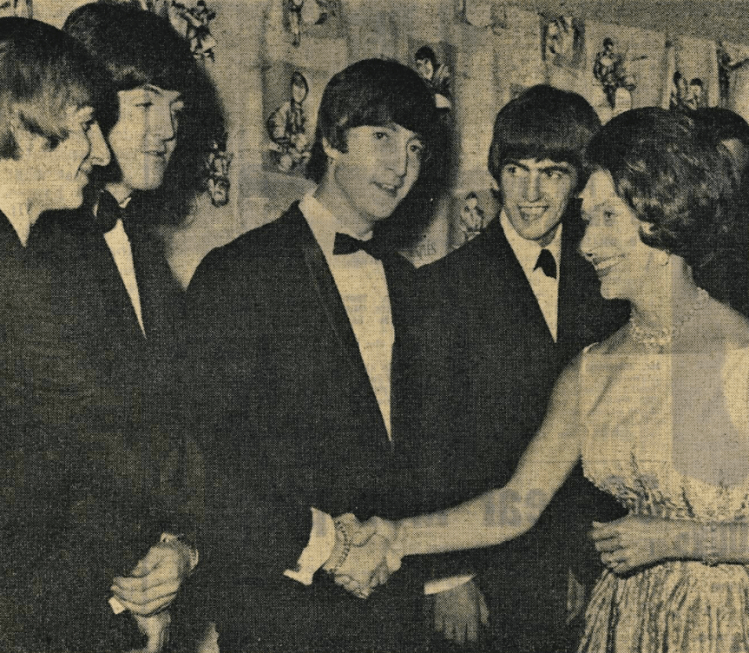
UK—a general term of disapproval, meaning ‘unpleasant’, ‘dirty’, ‘nasty’, ‘ugly’, etc.—shortened form of ‘grotesque’—first recorded in (and popularised by) A Hard Day’s Night (1964), a musical comedy film starring the Beatles
Read MoreUK, 1839—a Liverpudlian, especially as opposed to a Mancunian—from the 19th-century distinction between the Liverpudlians, who were involved in trading, and the Mancunians, who were involved in manufacturing
Read More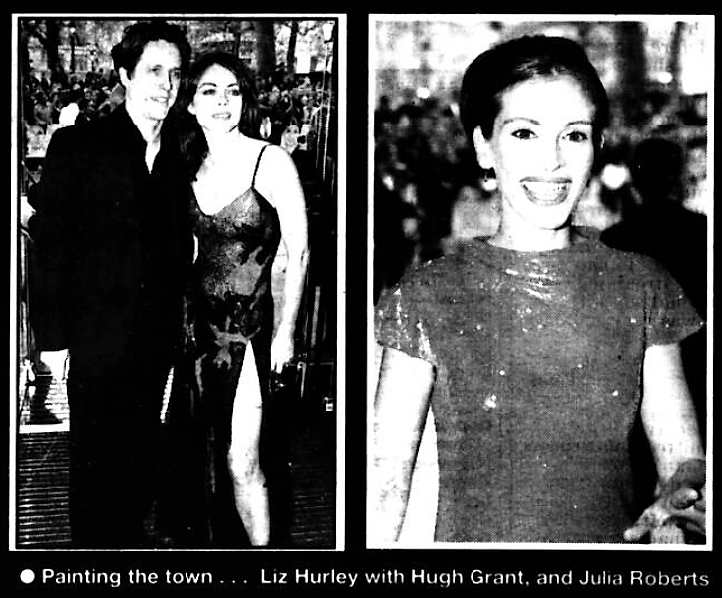
UK, 1975—old-fashioned; out of date—perhaps a humorous alteration of the adjective ‘antique’, perhaps punningly after the adjective ‘wacky’—or perhaps derived from ‘Ann Twack’, rhyming slang for ‘crap’
Read More
UK, 2005—used rhetorically to express indifference to, or a lack of concern about, something—originally (2004) a catchline used by Lauren, a teenage girl interpreted by the British comedian Catherine Tate in the British television comedy series The Catherine Tate Show
Read MoreUK, 1980—denotes someone or something that is unwelcome, unpopular, etc.—first recorded in a remark by the Scottish comedian Billy Connolly, but perhaps originated in Royal-Navy slang
Read MoreUK, 1877—humorous: a holiday or period of leisure spent drinking alcoholic liquor—blend of the nouns ‘alcohol’ and ‘holiday’—has, in the course of time, been coined on separate occasions by various persons, independently from one another
Read MoreUK, 1741—all day, incessantly—also, in early use, ‘morn, noon and night’—different from the juxtaposition of the nouns ‘morning’, ‘noon’ and ‘night’, which refers to an action taking place first in the morning, then at noon, and finally at night
Read More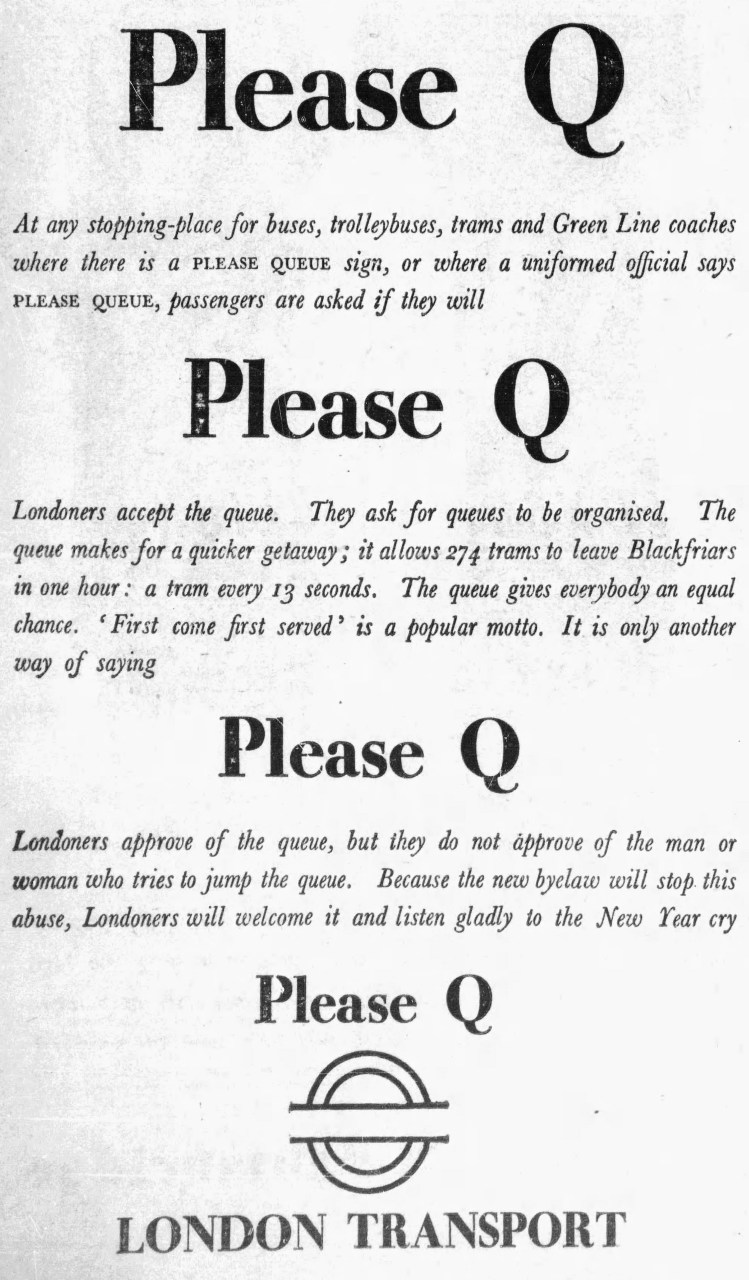
UK, 1920 (‘queue-jumper’)—literally: to push forward out of turn in a queue—figuratively: to obtain unfair priority over others—especially used since the 1930s in relation to compulsory queueing schemes implemented by public-transport authorities
Read More
UK, 1997—the title given to the official resident cat of the Prime Minister of the United Kingdom at 10 Downing Street, London—‘mouser’, first recorded circa 1440, denotes an animal that catches mice
Read More
