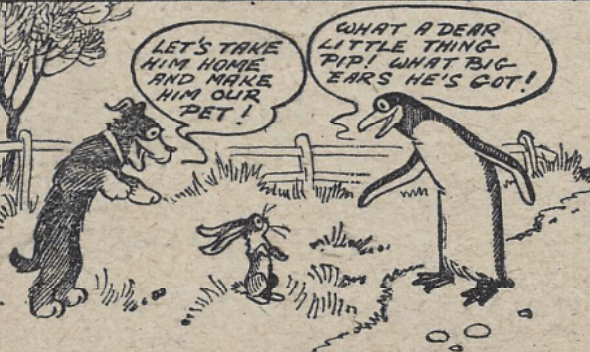
UK, 1920—a group of three objects or persons—alludes to Pip, Squeak and Wilfred, a trio of animal characters featured in a children’s comic strip published in The Daily Mirror (London) from 1919 onwards
1727—a labourer of the lowest kind—refers to the enslavement of the Gibeonites by the Israelites in the Book of Joshua, 9:21-27, as it occurs in the King James Bible (1611)
UK, 2015—(depreciative) a supporter of Jeremy Corbyn, Leader of the Labour Party and Leader of the Opposition from 2015 to 2020—coined after nouns such as ‘Sandinista’—intended to liken Corbyn’s supporters at best to radical socialists and at worst to cultists
UK, 1989—refers to Manchester, in north-western England, as a centre of popular music and club subculture in Britain in the late 1980s and early 1990s—blend of ‘mad’ and ‘Manchester’
In British English, the noun ‘porky’ (also ‘porkie’) is short for ‘porky pie’ (also ‘porkie pie’), which is an alteration of ‘pork pie’, rhyming slang for the noun ‘lie’.
UK, 1993—meaning: influenced or determined by a person’s locality or postal address—in phrases such as ‘postcode discrimination’—frequently with reference to the unequal provision of healthcare
UK, 1938—a state of nervous agitation or confusion; also, occasionally: a state of physical disorder or chaos—of unknown origin; perhaps a fanciful variant of the synonymous noun ‘tizz’
a situation that has been completely mismanaged—from ‘omni-’ and ‘shambles’—coined by Tony Roche in the British television series The Thick of It (3rd series, episode 1, 24 October 2009)
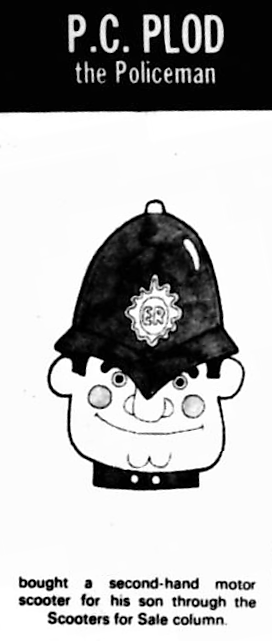
UK, 1963—‘Mr. Plod’, also ‘P.C. Plod’, ‘Plod’: a humorous or mildly derogatory appellation for a policeman or for the police—alludes to ‘Mr. Plod’, the name of the policeman in stories by the English author of children’s fiction Enid Blyton