to discuss an essentially private matter, especially a dispute or scandal, in public—UK, 1819—loan translation from French ‘laver son linge sale en public’, originated by Napoléon Bonaparte in 1814
an impressive facade or show designed to hide an embarrassing or shabby fact or condition—1843—from the sham villages said to have been built by Grigori Potemkin to deceive Catherine II
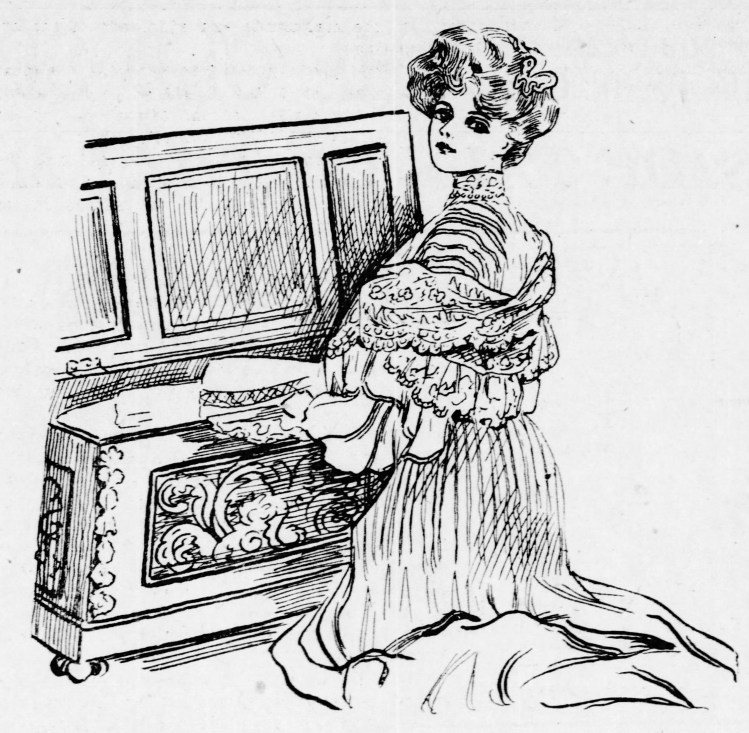
a young woman’s collection of clothes and household articles, kept in preparation for her marriage—UK, 1835?—refers to the (notional?) receptacle where those clothes and household articles are supposed to be kept
to undertake a dangerous or hazardous operation or activity—UK, 1867, as ‘to tickle the dragon’s nose’—‘to tickle the dragon’s tail’ was used of a nuclear experiment at Los Alamos during WWII
the strategy consisting in deliberately making a shocking announcement in order to divert attention from a difficulty in which one is embroiled—from the image of throwing a dead cat on the table—first defined in 2013 by Boris Johnson
literally (1618): a blanket dampened with water so as to extinguish a fire—figuratively (1775): a person or thing that has a subduing or inhibiting effect
to draw an obvious inference from available evidence—early 19th century—but ‘two and two make four’, used as as a paradigm of the obvious conclusion, is first recorded in the late 17th century
real events and situations are often more remarkable or incredible than those made up in fiction—first occurred as ‘truth is always strange, stranger than fiction’ in Don Juan (1823), by George Gordon Byron

 word histories