‘sparrowfart’: meanings and origin
British, dialectal, 1828: the break of day, i.e., the dawn chorus, with humorous allusion to a small passerine breaking wind—later also: an insignificant person or thing
Read More
“ad fontes!”
British, dialectal, 1828: the break of day, i.e., the dawn chorus, with humorous allusion to a small passerine breaking wind—later also: an insignificant person or thing
Read MoreUK, late 1980s—the adverb ‘o’clock’ is colloquially and humorously used with adjectives to denote an unreasonably, excessively or inconveniently early or late hour—as in ‘stupid o’clock’, ‘silly o’clock’, etc.
Read More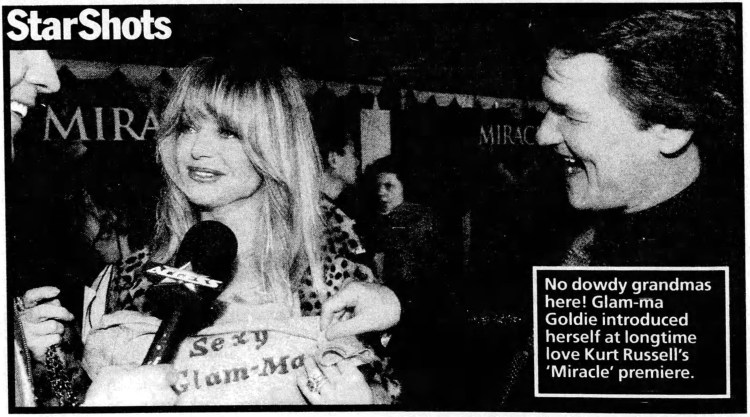
USA, 2001—a glamorous grandmother, especially one who is relatively young or fashion-conscious—a blend of the nouns ‘glamour’ and ‘grandma’
Read MoreUK, 1759: first applied to Japan—1794 (during the French Revolution): the disparaging use in reference to Britain was popularised by the French phrase ‘nation boutiquière’
Read MoreUK, 1945—upper-class slang for ‘champagne’—from the first syllable of ‘champagne’ and the suffix ‘-ers’, used to make jocular formations on nouns by clipping them
Read MoreBritain, 1782—to evoke or recreate a previous time, state or condition; to make it seem as if no time has passed
Read Moreone who sews up wounds, i.e., a surgeon—also, in later use, a plastic surgeon—first recorded in ’Tis Pitty Shee’s a Whore (1633), by the English playwright John Ford
Read MoreUK, 1749—a playful bite on the skin from a lover; a kiss delivered with a sucking action, leaving a temporary mark on the skin, especially as a sexual act; a mark left on the skin by such a kiss
Read Moreof a vessel: to advance steadily under a favourable wind, without having to change tack or sail—UK, 1807, in reference to the voyage from the Cape of Good Hope to the remote South-Atlantic island of St. Helena
Read MoreUK, 1882—‘penny’ refers to inexpensiveness, and ‘puzzle’ to the mysterious nature of the ingredients—perhaps also in humorous allusion to ‘penny puzzle’ in the sense of a puzzle-card sold on the street for one penny
Read More word histories