‘hen do’: meaning and origin
a celebration for a woman who is about to get married, attended by her female friends and relations—UK, 1987—first used in relation to Stags and Hens (1978), a stage play by William Russell
Read More
“ad fontes!”
a celebration for a woman who is about to get married, attended by her female friends and relations—UK, 1987—first used in relation to Stags and Hens (1978), a stage play by William Russell
Read MoreBritish slang, 1745—to have one alcoholic drink after another—the image is that the first drink wets one eye, and the second drink wets the other eye
Read More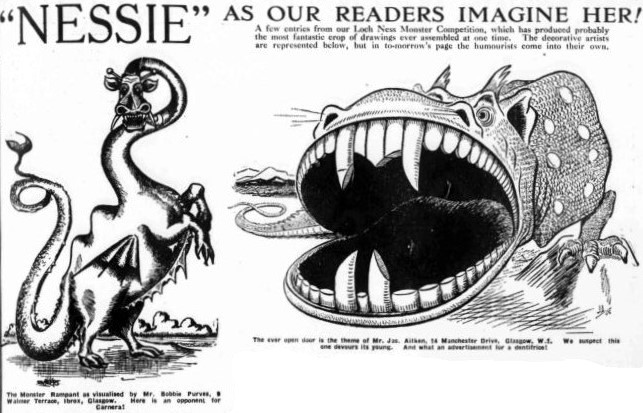
January 1934, in the Daily Record and Mail (Glasgow, Scotland)—composed of ‘Ness’ in ‘Loch Ness’ and the suffix ‘-ie’, used to form pet names
Read MoreScotland—1852: illustrates how people will react when spotting unidentified creatures in Loch Ness—1892: mocks the many alleged sightings of the sea-serpent at that time
Read MoreUK, 1845—to celebrate the birth of a child by drinking alcohol
Read MoreUK, 1883—to stay at a hotel, inn, etc., that provides a bed for the night and breakfast the following morning—to stay at an establishment known as a ‘bed and breakfast’
Read Moreinflammation of the bursa over the kneecap (prepatellar bursa), typically induced by kneeling on hard floors—UK, from 1824 onwards in medical publications
Read MoreUK, 1881—a form of repetitive strain injury (first identified in tennis players) that affects the tendons of forearm muscles attached to the lateral epicondyle of the humerus—synonym ‘lateral epicondylitis’
Read Moreearly 19th century—chiefly U.S.—to be forced by another to walk on tiptoe—to walk cautiously—to be discharged or dismissed—to discharge or dismiss (someone)—origin unknown
Read More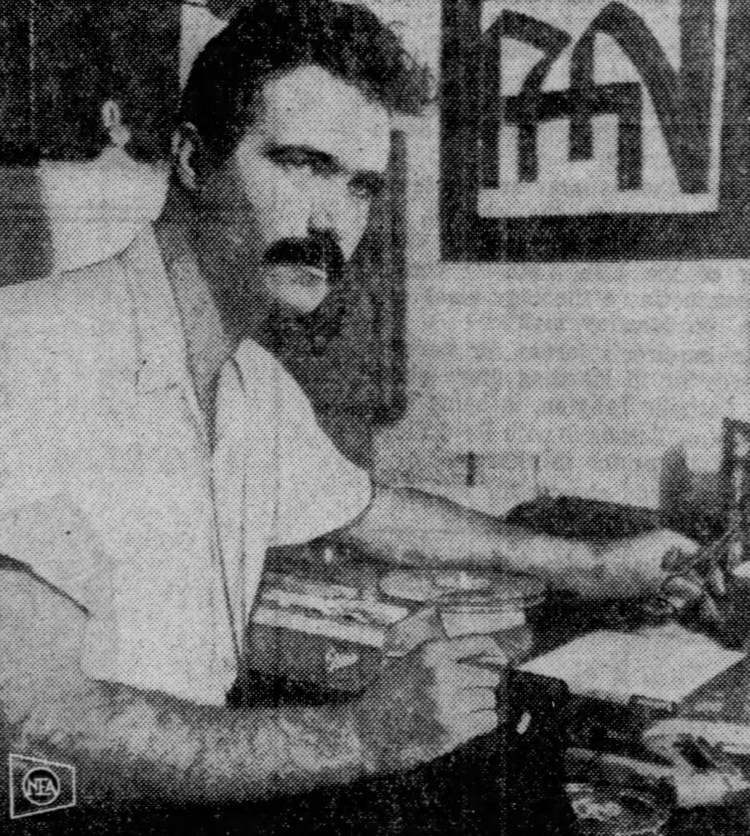
UK, 1958—a type of moustache in which the two ends extend downwards to the chin—refers to Emiliano Zapata, who was portrayed with a moustache of this kind by Marlon Brando in Viva Zapata! (1952)
Read More word histories