the appearance of the phrase ‘cross my heart (and hope to die)’

origin: USA – 2nd half of the 19th century – from the action of making a small sign of the cross over one’s heart, which sometimes accompanies the words
Read More
“ad fontes!”
origin: USA – 2nd half of the 19th century – from the action of making a small sign of the cross over one’s heart, which sometimes accompanies the words
Read Moremoonraker: a native of Wiltshire; from the tale that some of them mistook the reflection of the moon in a pond for a cheese and tried to rake it out.
Read More‘The straight and narrow’: allusion to the Sermon on the Mount. ‘Straight’ is an alteration of ‘strait’, meaning ‘so narrow as to make transit difficult’.
Read More
coined by Charles Dickens in Nicholas Nickleby (1839) in a comic passage in which an insane speaker makes a series of nonsensical statements
Read MoreThere can be some astonishing differences between the biblical texts belonging to the scholastic tradition and those belonging to the humanist movement.
Read More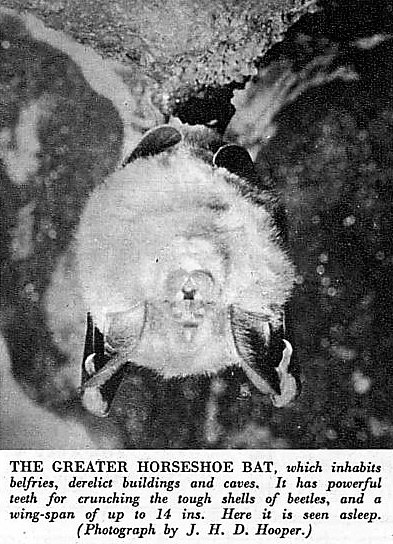
Of American-English origin, ‘to have bats in one’s belfry’ is from the image of bats flying around when disturbed, like confused thoughts in a disordered mind.
Read MoreThe phrase perhaps originated in laws or customs regulating the gathering of firewood by tenants; it was perhaps a legal formula in which ‘crook’ merely reinforced ‘hook’.
Read More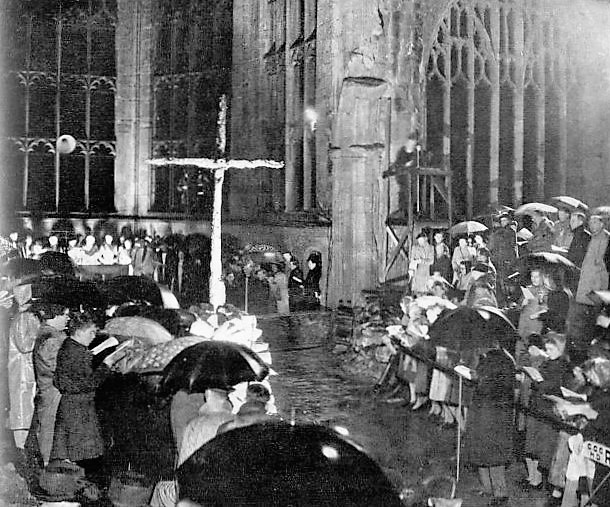
probable origin: in 1642, during the English Civil War, Royalists had been captured at Birmingham and sent to Coventry, which was a Parliamentarian stronghold.
Read More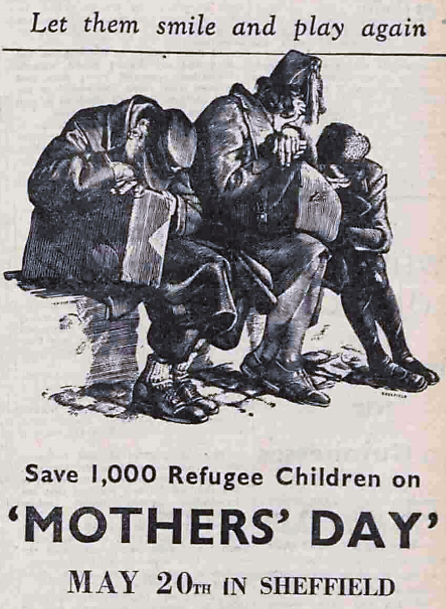
Kindertransport (from German ‘Kinder’, children): operation from 1938 to 1940 to evacuate (mostly Jewish) children from Nazi-controlled areas of Europe to the UK
Read More
The current sense of ‘jingo’ originated in a 1877 patriotic song adopted by the bellicose factions within the Conservative Party during the Russo-Turkish war.
Read More
