USA, 1837—to make assumptions about someone or something based on appearance or on superficial characteristics—the metaphor occurs in the preface to ‘Truth in Fiction: Or, Morality in Masquerade. A Collection of Two hundred twenty five Select Fables of Æsop, and other Authors’ (London, 1708), by Edmund Arwaker
USA, 1911—used to express the belief that everyone should have access not only to basic sustenance, but also to the finer things in life, such as education, art, literature, etc.—adapted from ‘Bread for all, and Roses too’ (1911), a slogan in the fight for women’s rights
1804—used to express resignation regarding an undesirable aspect of the behaviour of a girl or young woman, as being supposedly characteristic of her age or sex
USA, 1893—the part of a town or city in which prostitution and other commercial sexual activities are concentrated—originally used of Louisville, Kentucky—from the use of a red light as a sign outside a brothel
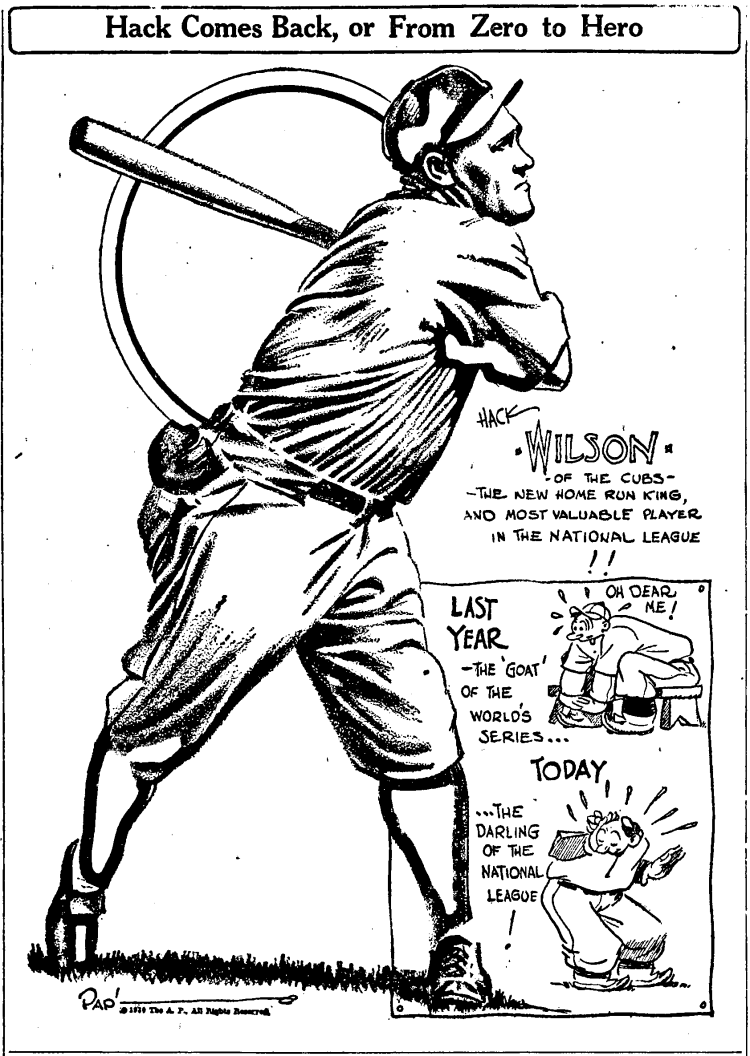
USA—(1893) ‘to go from zero to hero’: to experience a sudden increase in popularity or success, especially having previously been in a position of low achievement or esteem—(1899) ‘to go from hero to zero’: to suffer a sudden decline in popularity or success
Ireland, 1809—the Wednesday before Easter—refers to the day on which Judas Iscariot formed the intent to betray Jesus—‘spy’ denotes ‘one who spies upon, or watches, a person or persons secretly’, because, from Wednesday onwards, Judas Iscariot secretly sought an opportunity to deliver Jesus to the Jewish authorities
UK, 1773—physical cleanliness betokens spiritual purity, i.e., cleanliness proceeds from piety—apparently, this phrase is erroneously ascribed to the English preacher and co-founder of Methodism John Wesley
UK, 1677—a bad cough indicative of impending death—with allusion to the churchyard as the site of burial, ‘churchyard’ has been used attributively of something indicative of, or associated with, (impending) death
In Britain in the 19th and early 20th centuries, the grim proletarian phrase ‘churchyard luck’ denoted the ‘good fortune’ which the parents of a large, poor family experienced by the death of one or more of their children.
UK, 1892—very rarely—refers to the fact that Preston Guilds are held only once every twenty years—Preston is the administrative centre of Lancashire, a county of north-western England, on the Irish Sea

 word histories