meaning and origin of the phrase ‘the great unwashed’
UK, 1829—a pejorative appellation of the lower classes by the middle and upper classes, although apparently appropriated by the lower classes
Read More
“ad fontes!”
UK, 1829—a pejorative appellation of the lower classes by the middle and upper classes, although apparently appropriated by the lower classes
Read More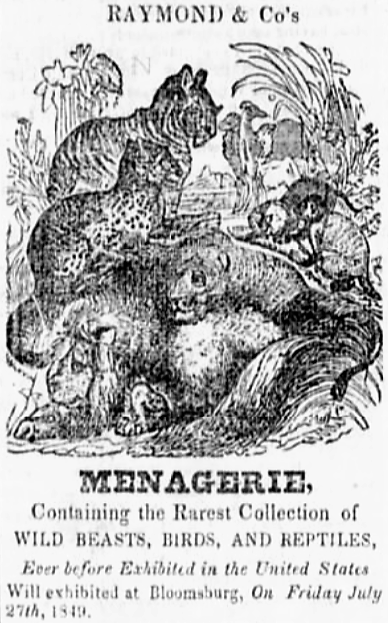
‘to stick out like a sore thumb’ USA, 1868, to be glaringly obvious— ‘to be on hand like a sore thumb’ USA, 1849, to be fully available
Read More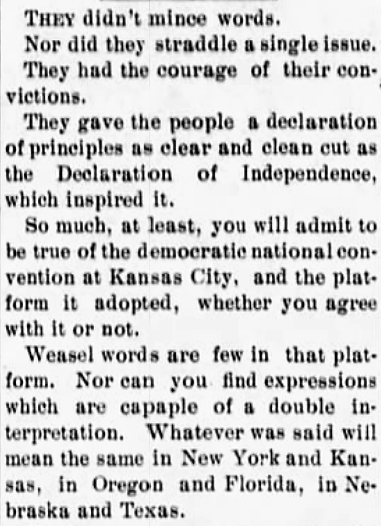
USA, 1900—a word which takes away the meaning of the concept expressed—weasels are said to suck eggs out without breaking the shells
Read More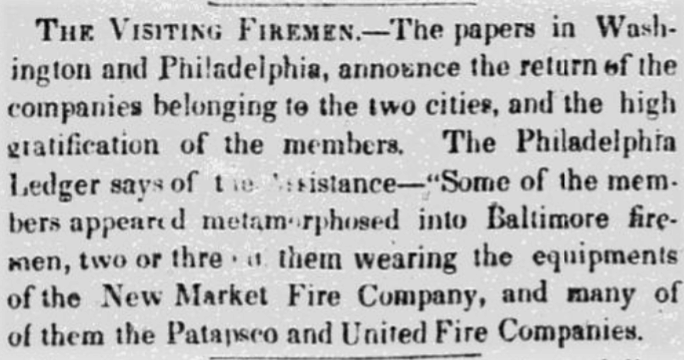
USA, 1909—a person given especially cordial treatment while visiting an organisation or place; a tourist expected to spend freely
Read More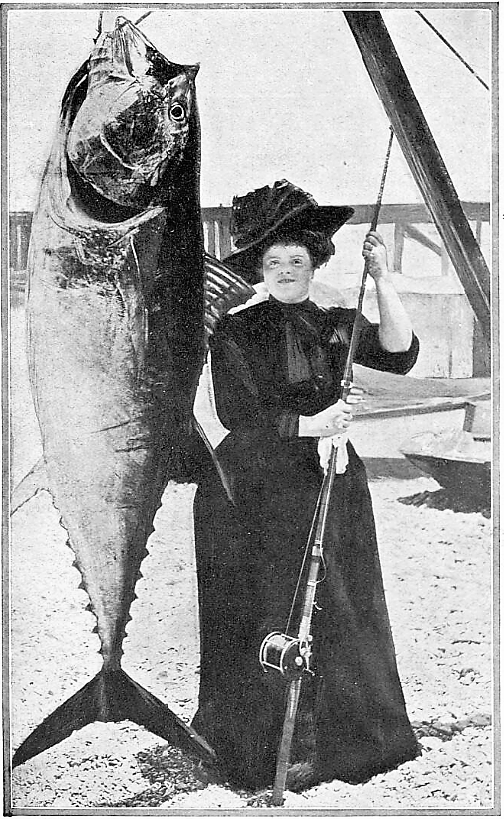
coined in The Saturday Review (London, 13 July 1861) about the shortage of important news in autumn in The Times of London
Read MoreUK, 1862—‘in every direction’ and ‘in a disorganised or confused state’—apparently originated in sports slang
Read More
USA, 1878—to misunderstand—alludes to an accidental connexion between telephone or telegraph wires of different lines or circuits
Read More
Ireland, 1820—violent quarrel—refers to the fact that wigs are liable to fall or to be pulled off in a fray
Read More
USA, 1878—an enforced wedding—from the fact that, on occasions, men were actually coerced at gunpoint into marriage
Read MoreUK, 1957—an expression of encouragement, but often used ironically with the opposite meaning—origin unclear
Read More
