history of the phrase ‘close your eyes and think of England’
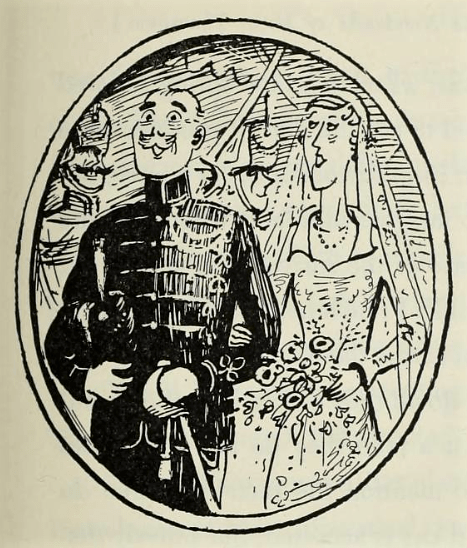
France, 1954: purported advice given to English brides-to-be on how to cope with unwanted but inevitable sexual intercourse—but this occurs in a humoristic book
Read More
“ad fontes!”
France, 1954: purported advice given to English brides-to-be on how to cope with unwanted but inevitable sexual intercourse—but this occurs in a humoristic book
Read More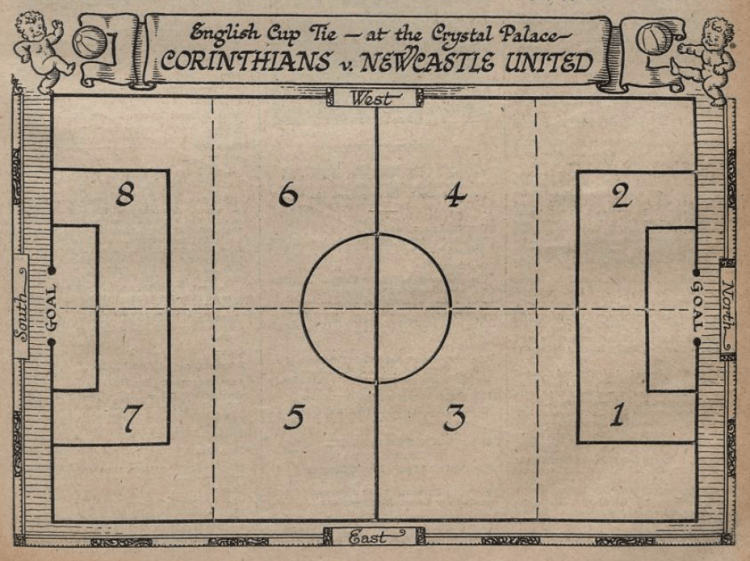
UK, 1952—back to where one started, with no progress having been made—refers to the game of snakes and ladders
Read Moreto come to the point—in Shakespeare’s ‘Hamlet’, the title role urges an actor to go straight to Hecuba’s reaction to her husband’s killing
Read MoreUK, 1909—used when the dividing walls between adjacent houses or flats are thin—also used of the passage of sound between floors
Read More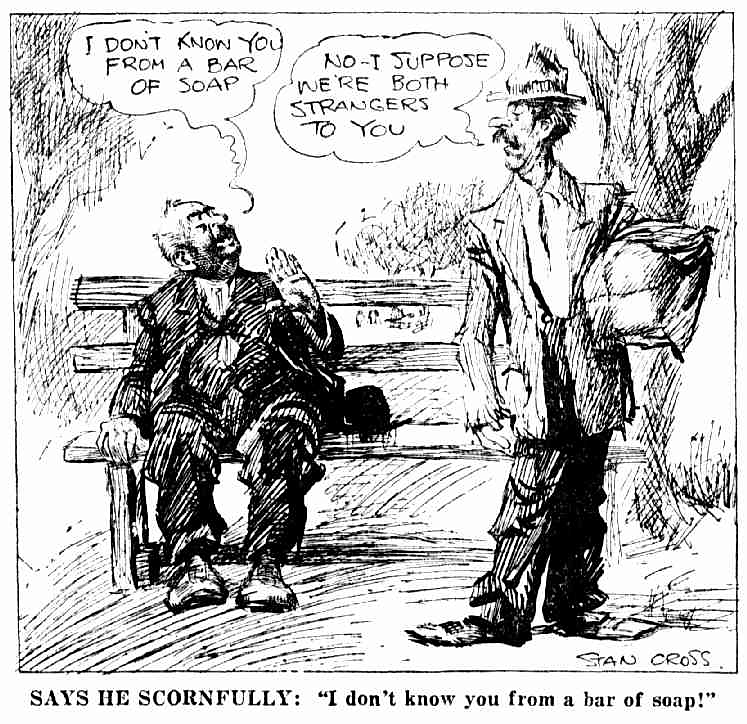
to be completely unacquainted with someone or something—most earliest uses (late 19th century) in U.S. publications, but a few in Australian publications
Read More
1950—used of a substance causing death or illness, and by extension of something powerful or disastrous—refers to red kelpie sheep dogs, who can ingest anything
Read MoreAustralia, 1969—used to denote a fast-moving person or situation—alludes to the quickness with which a bride’s nightdress comes off on the wedding night
Read Moreeuphemistic jocular variant of ‘not bloody likely’—UK, 1914—from the sensation caused by the use of the expletive ‘bloody’ in George Bernard Shaw’s ‘Pygmalion’
Read More
chat-up line—from ‘Tell me, pretty maiden (I must love some one)’, a song of the musical comedy ‘Florodora’, produced in Britain in 1899 and in the USA in 1900
Read More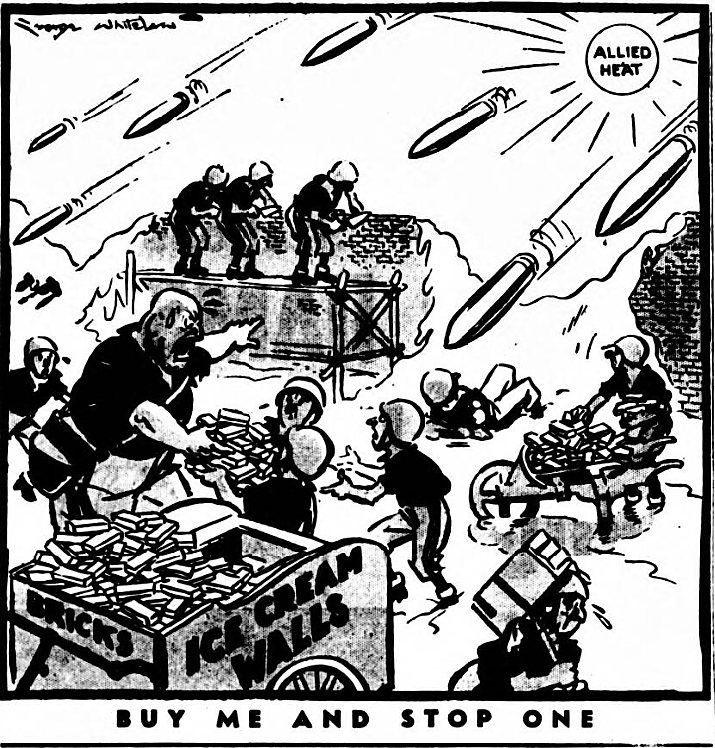
UK, 1970s: frequently scrawled on contraceptive-vending devices in public conveniences—reversal of ‘stop me and buy one’, Wall’s Ice Cream advertising slogan
Read More word histories