history of ‘money tree’ and ‘to shake the money tree’
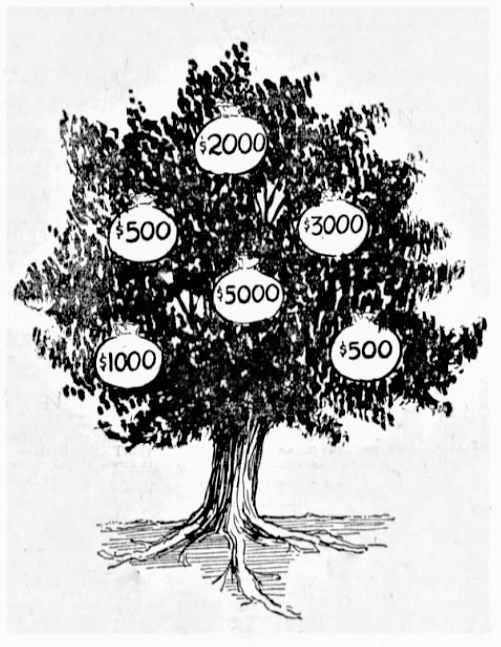
‘money tree’ (UK, 1749): a source of easily obtained or unlimited money—‘to shake the money tree’ (UK, 1851)—related to proverb ‘money does not grow on trees’
Read More
“ad fontes!”
‘money tree’ (UK, 1749): a source of easily obtained or unlimited money—‘to shake the money tree’ (UK, 1851)—related to proverb ‘money does not grow on trees’
Read More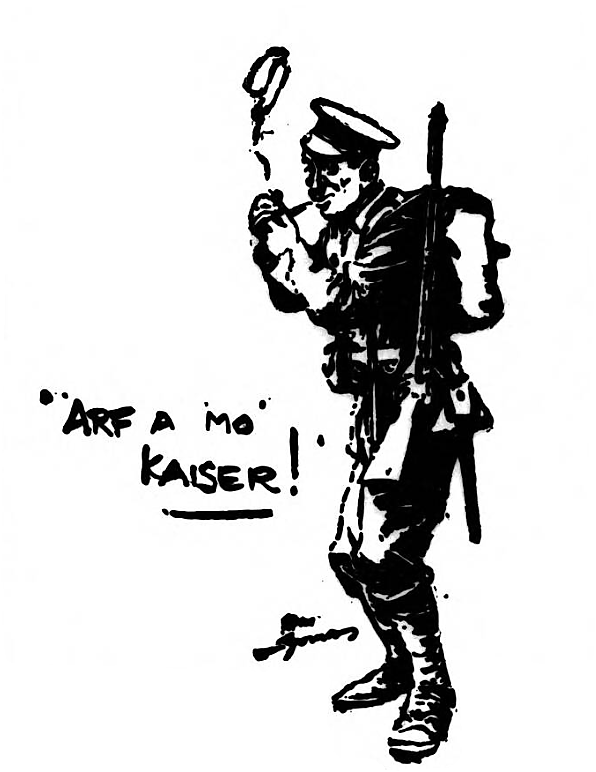
“half a moment, Kaiser!”—1914 as the caption to a drawing by Bert Thomas, published in the Weekly Dispatch (London) to advertise a tobacco fund for soldiers
Read More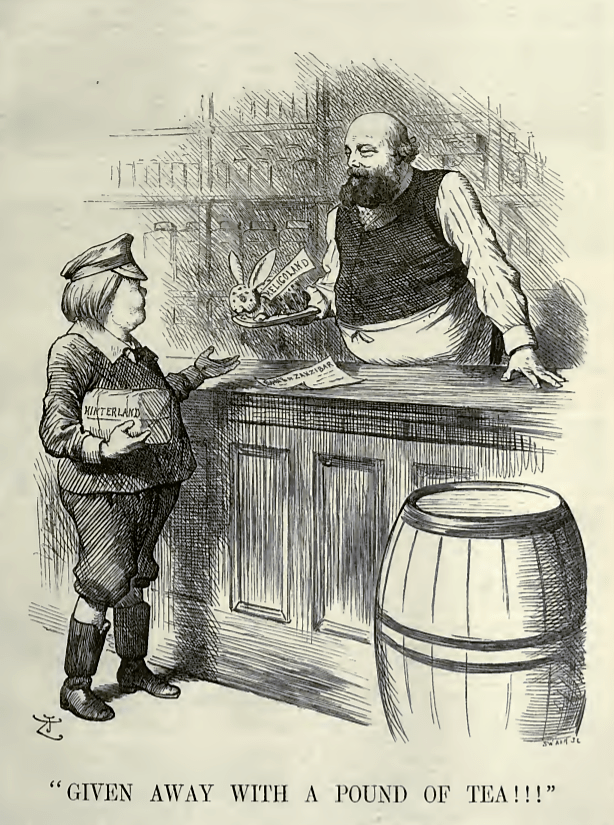
UK, 1881—used of something considered tawdry—from the grocers’ former practice of making a free gift with every pound of tea or with any fair-sized order
Read More
1983—a mystery man whom the British journalist Alan Rusbridger challenged (as a prank) The Guardian’s readers to identify in order to claim a £10 book token
Read More
1973—a mystery man the Daily Mirror has challenged its readers to identify in order to claim prize money—‘Chalkie’ typical epithet for people surnamed ‘White’
Read More
said as a jest after the departure of a person or persons regarded as untrustworthy—apparently coined by the English lexicographer Samuel Johnson (1709-1784)
Read MoreUK and USA, World War One—borrowing from French, literally ‘it is war’—expresses acceptance of, or resignation at, the situation engendered by war
Read More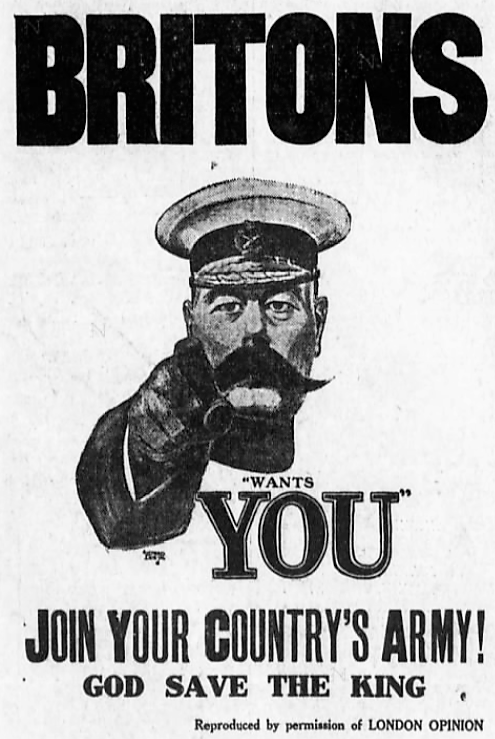
UK, 1914—from a poster showing Lord Kitchener, Secretary of State for War, used in the recruitment campaign at the beginning of World War One
Read More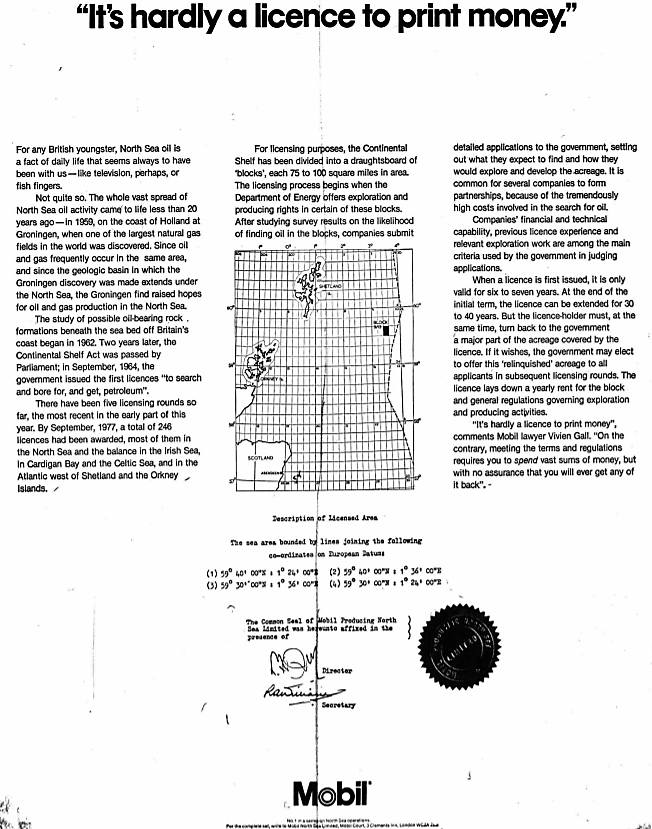
North America, 1943: used of owners of professional baseball teams—Britain, 1958: used of the franchises granted for running commercial television stations
Read More
UK, 1926—completely lost or wasted—seems to allude to ‘Old Folks at Home’ (1851), also known as ‘Swanee River’, by the U.S. songwriter Stephen Foster
Read More word histories