‘(as) thick as two short planks’: meaning and origin
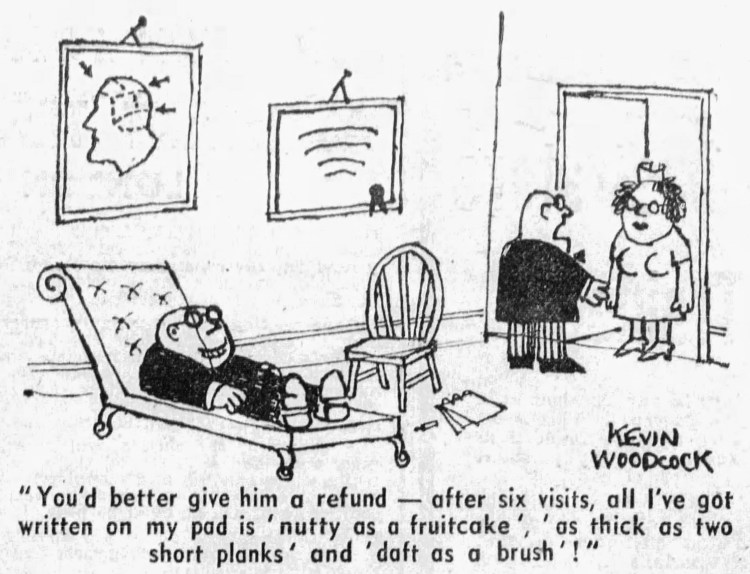
UK, 1954—very stupid—the humorous arbitrary comparison with ‘two short planks’ gives emphasis to the adjective ‘thick’, meaning stupid
Read More
“ad fontes!”
UK, 1954—very stupid—the humorous arbitrary comparison with ‘two short planks’ gives emphasis to the adjective ‘thick’, meaning stupid
Read MoreLancashire, England, 1833—a faggot, a meatball, “a compound of onions, flour, and small pieces of pork” (The Liverpool Echo, 20 August 1880)—probably one of the common dishes humorously named after daintier items of food
Read More1910—used of a weakling, or of someone or something that is ineffectual—may have originated in Yorkshire, a county of northern England
Read MoreUK, 1929—‘glad and sorry’ denotes hire purchase, i.e., a system by which one pays for a thing in regular instalments while having the use of it—the image is that the hire-purchaser is at the same time glad to have the use of the merchandise and sorry to still have to pay for it
Read Moreused attributively of something that may not have an end for years, if ever—especially used of a loan that the borrower refuses to pay back, and of hire purchase—refers to the line “It may be for years, and it may be for ever” in the song ‘Kathleen Mavourneen’ (1835)
Read Moreliteral meaning (1551): halfway across the sea—figurative meanings (1692): halfway towards a goal or destination, half through with a matter, halfway between one state and another—also (1699): half drunk
Read More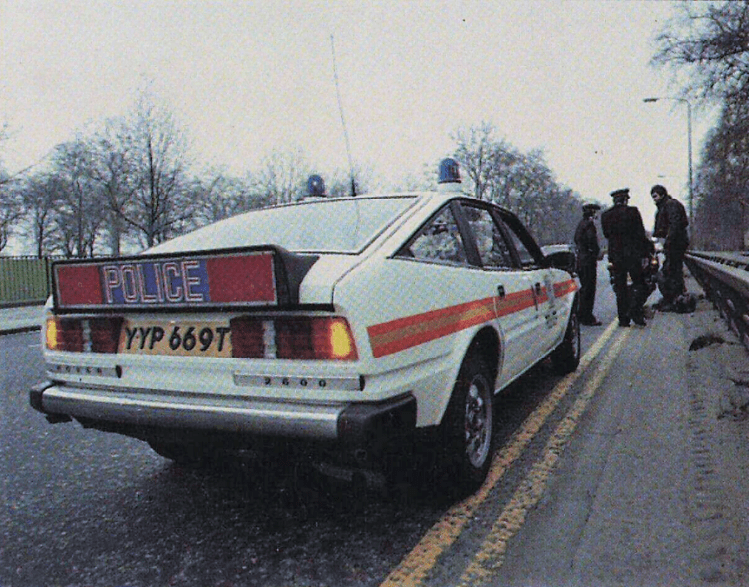
UK, 1971—‘jam butty’ (also ‘jam sandwich’): a colloquial appellation for a police patrol car having a red stripe painted on a white background
Read MoreIn Britain in the 19th and early 20th centuries, the grim proletarian phrase ‘churchyard luck’ denoted the ‘good fortune’ which the parents of a large, poor family experienced by the death of one or more of their children.
Read MoreUK, 1929—a drink of alcohol—especially used of an initial drink taken by someone (e.g. a young person) who is particularly susceptible to the effects of alcohol
Read MoreUK and Ireland—with reference to the fact that Horatio Nelson was blinded in one eye—(1922) ‘until/when Nelson gets his eye back’ is used of a very long time in the future—(1933) the metaphor of Nelson getting his eye back is used of a very small chance of success
Read More
