‘unshirted hell’: meaning and origin
‘serious trouble’—USA, 1866—from the image of taking off one’s shirt before getting into a fight, and from ‘hell’ in the sense of ‘a severe reprimand’, as in ‘to give someone hell’
Read More
“ad fontes!”
‘serious trouble’—USA, 1866—from the image of taking off one’s shirt before getting into a fight, and from ‘hell’ in the sense of ‘a severe reprimand’, as in ‘to give someone hell’
Read Moreused of a person who is frozen with fright or surprise, or is trying to flee, as a result of suddenly becoming the focus of attention—alludes to the habit of deer and rabbits of stopping still when dazzled by the headlights of a motor vehicle, or of running away within the headlight beam
Read More‘femiphobia’ (USA) 1907—‘feminophobia’ (UK) 1914—an irrational fear or dislike of women—from Latin ‘fēmina’ (woman) and combining form ‘-phobia’—probably each coined on various occasions by different persons, independently from each other
Read More
1943—‘brothel-creepers’ (also ‘brothel-creeper shoes’ and ‘creepers’): denotes soft-soled shoes—refers to the stealthiness that those shoes permit
Read MoreAustralia—meaning: (as a verb) to rest or spend time in an aimless, idle way; (as a noun) an instance or period of resting—origin: Army slang, Second World War, from the notion of lying on one’s back
Read More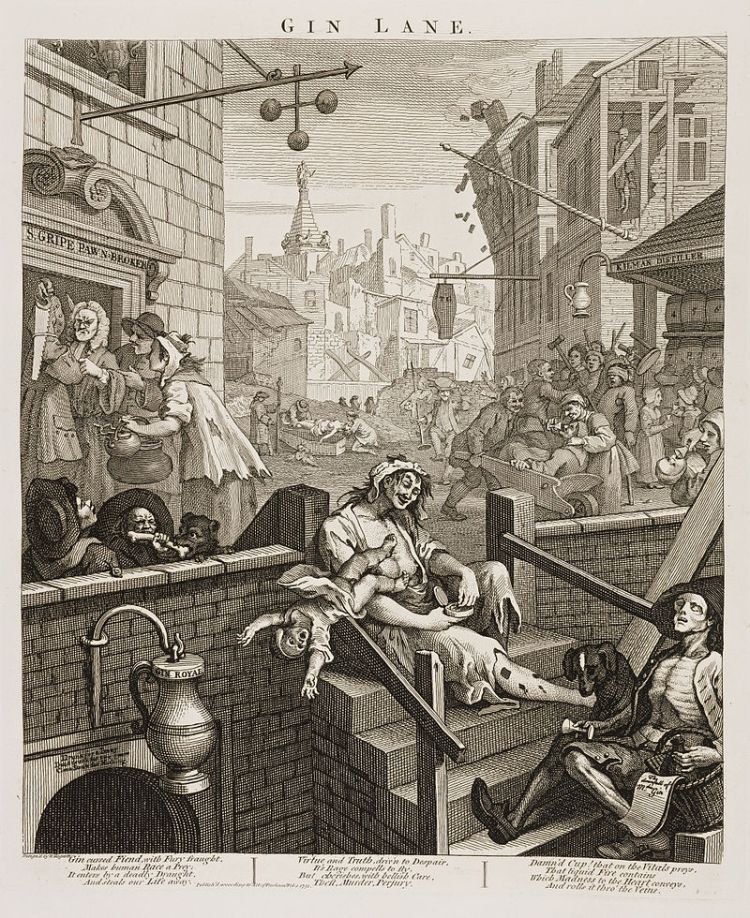
UK, 1904—denotes gin (i.e., a clear alcoholic spirit distilled from grain or malt and flavoured with juniper berries)—‘mother’s ruin’ alludes to the evils caused by the consumption of gin
Read MoreIn reference to the names of various stretches of the Spanish Mediterranean coast which are popular with British holidaymakers, the Spanish noun ‘costa’ is used humorously as the first element in various invented place names.
Read More
UK, 1969—a young man of a working-class subculture, characterised by close-cropped hair, heavy boots and functional clothing, and behaving in an aggressive or violent way—‘bovver’ represents a nonstandard pronunciation of ‘bother’
Read Morea nickname given to London, which has, since the collapse of the Soviet Union, attracted Russian oligarchs—also used earlier in reference to Communism—modelled on Russian city names such as ‘Leningrad’ and ‘Stalingrad’
Read Moreto refuse to face up to unpleasant or awkward realities—refers to the practice traditionally attributed to the ostrich of thrusting its head into the sand when being overtaken by pursuers, supposedly through an incapacity to distinguish between seeing and being seen
Read More
