‘tinfoil hat’ (used in relation to protection)

alludes to the belief that such a hat or cap protects the wearer from mind control, surveillance or similar types of threat—USA, 1972 as ‘tinfoil-lined hat’
Read More
“ad fontes!”
alludes to the belief that such a hat or cap protects the wearer from mind control, surveillance or similar types of threat—USA, 1972 as ‘tinfoil-lined hat’
Read More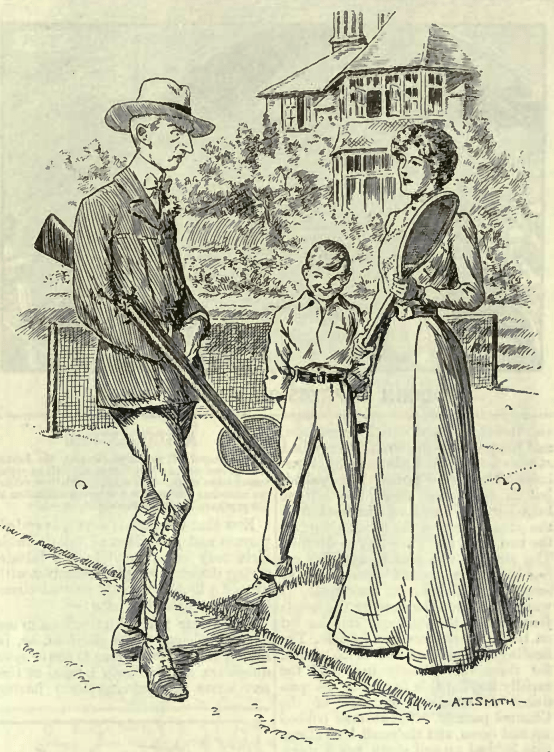
a person or thing that is insignificant or contemptible—1910—originally (1900): a type of small high-velocity shell, with reference to the high-pitched sound of its discharge and flight
Read Morein French contexts: a young person, especially a young man, belonging to a youth subculture of the 1950s and 1960s—UK, 1959—from the noun ‘blouson’ (a short jacket) and the adjective ‘noir’ (black)
Read Moreto abandon or betray someone in order to protect or advance one’s own interests—originally (British politics, 1971) ‘to push someone under a bus’—derived from ‘to walk under a bus’ (British politics, 1966)
Read Moreto be glad of minor benefits, especially in an otherwise unpleasant or troublesome situation—first recorded in The Heart of Midlothian (1818), by Walter Scott
Read Morea bias whereby people who have little ability in, or knowledge of, a particular task or subject tend to overestimate their capabilities—USA, 2008—refers to David Dunning and Justin Kruger, who described this bias in the Journal of Personality and Social Psychology in 1999
Read Morea difficult, uncooperative or unsociable person—UK, 1829—from French ‘mauvais coucheur’, literally ‘bad bedfellow’, with original allusion to a person whom a traveller had to share a bed with when stopping over at an inn
Read Morethe action, excitement or trouble starts—USA, late 19th century—originally alluded to the release of a balloon to mark an event
Read Morean event or occasion at which the expected principal participant is not present—coined after ‘Hamlet without the Prince’—‘Lear without the King’ 1904—‘Henry V without the King’ 1964
Read MoreUK, 1999—refers to ‘Waiting for Godot’, a play by Samuel Beckett—absurd phrase, since the titular character never appears in the play—always occurs in association with the phrase ‘Hamlet without the Prince’
Read More word histories