‘knacker’s yard’: meanings and origin
UK—1824: a slaughterhouse where old or injured horses are slaughtered and their bodies processed—1832: a notional place where ends up someone or something that is no longer useful or successful
Read More
“ad fontes!”
UK—1824: a slaughterhouse where old or injured horses are slaughtered and their bodies processed—1832: a notional place where ends up someone or something that is no longer useful or successful
Read More1894—in Australian English, the noun ‘bandicoot’, which designates an insectivorous marsupial native to Australia, has been used in numerous similes denoting deprivation or desolation
Read More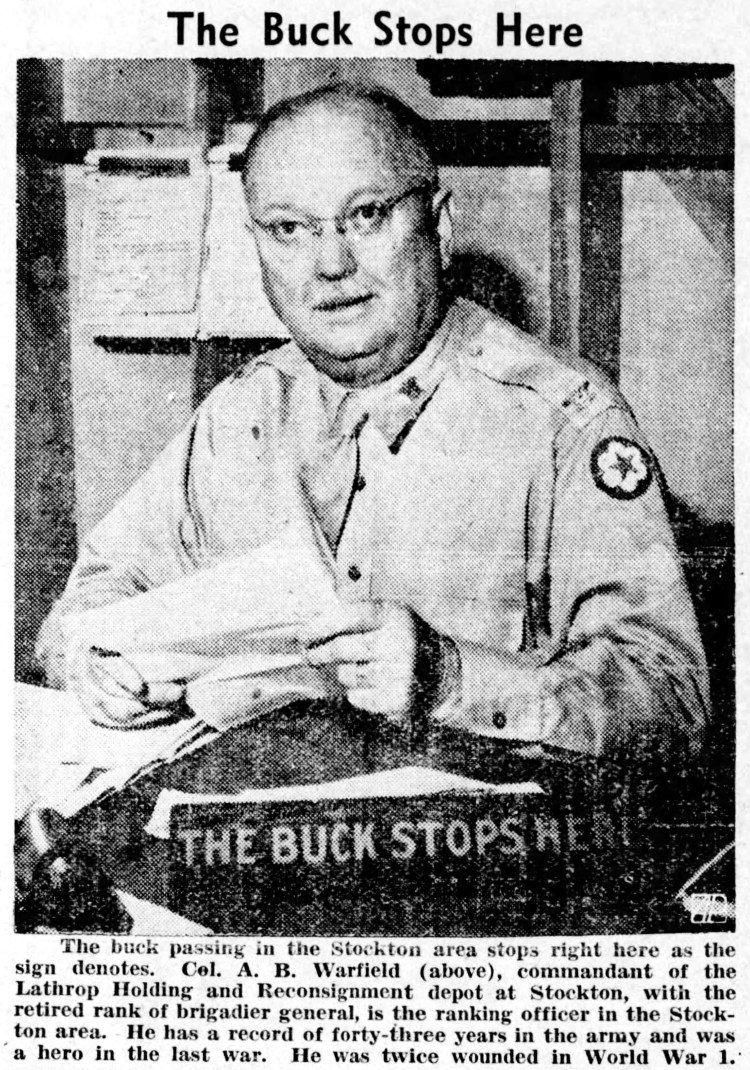
USA, 1929—the final responsibility lies with a particular person—from ‘to pass the buck’—‘buck’: in the game of poker, any object in the jackpot to remind the winner of some obligation when his or her turn comes to deal
Read MoreUSA, 1967—a person with a need to exercise tight control over their surroundings, behaviour or appearance—‘freak’ is used as the second element in compounds designating a person who is obsessed with the activity, interest or thing denoted by the first element
Read MoreAustralia, 1976—used by Aborigines to depreciatively designate unemployment or welfare benefits—‘sit-down’ means: performed or obtained while sitting down, with the implication that no or few efforts are required
Read MoreAustralia, 1932: to attract unwelcome attention or criticism—originally, WWI slang: to draw artillery fire from the enemy, in reference to crab shells, used with punning allusion to artillery shells
Read MoreUK, 1979—to sell a valuable resource or asset for immediate advantage—in particular: to dispose of a nation’s assets for financial gain—‘family silver’: something considered to be of great value, materially or otherwise
Read MoreAustralia—in Australian Rules football: used as a call to discourage or distract a player in a rival team attempting to kick for goal—more widely: used to deride a person or organisation deemed to be performing poorly, or to wish someone bad luck—‘chewy’ = ‘chewing gum’
Read MoreAustralia, 1953—to flatter someone or to (seek to) ingratiate oneself with someone, to curry favour with someone—cf. 19th-century British phrase ‘to piss down someone’s back’ (to flatter someone)
Read MoreAustralia, 1925—a section of Sussex Street, on the Sydney waterfront, along which, in the 1920s and 1930s, unemployed wharf-labourers trudged, waiting to be handpicked for the few available jobs
Read More word histories