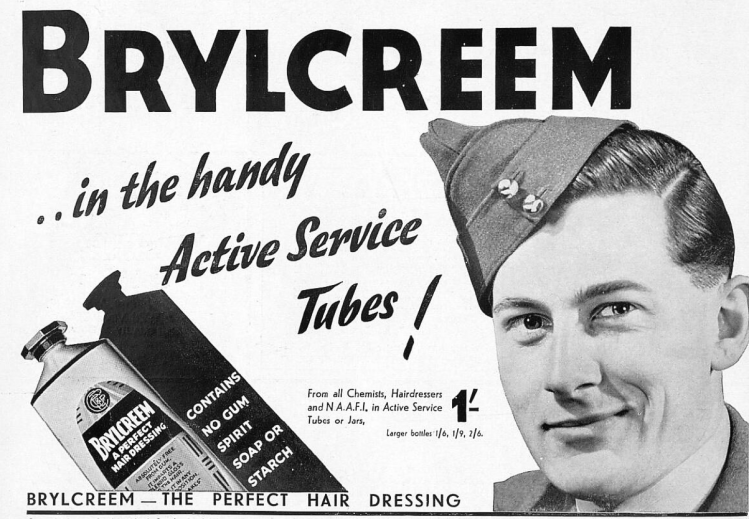
UK, 1941—a fighter pilot in the Royal Air Force; also used by the military land forces of any member of the R.A.F.—originally referred to WWII advertisements for Brylcreem hair cream, featuring a fighter pilot
UK—anything which discourages or inhibits sexual activity—originally (1943, British military slang): the sturdy, practical and unattractive underwear issued to female service personnel
to react with shock or dismay, especially in response to something considered immoral, underhand or vulgar—USA, 1990—from an episode of the sketch-comedy television series In Living Color, broadcast on 15th April 1990
interjection used to suggest that something can be done or understood with no difficulty—UK, 2009—from the catchword uttered by Aleksandr Orlov, an animated Russian meerkat, in a television advertising campaign for comparethemarket.com
UK, 1971—a pun on ‘Kensington Gore’, the name of a thoroughfare in London, and on the noun ‘gore’, denoting blood shed from a wound—it is unclear whether ‘Kensington Gore’ (as applied to artificial blood) was originally a trademark
denotes a film, television programme, etc., which adopts the form of a serious documentary in order to satirise its subject—apparently first used (and perhaps coined) in 1952 by the Canadian television producer Ross McLean