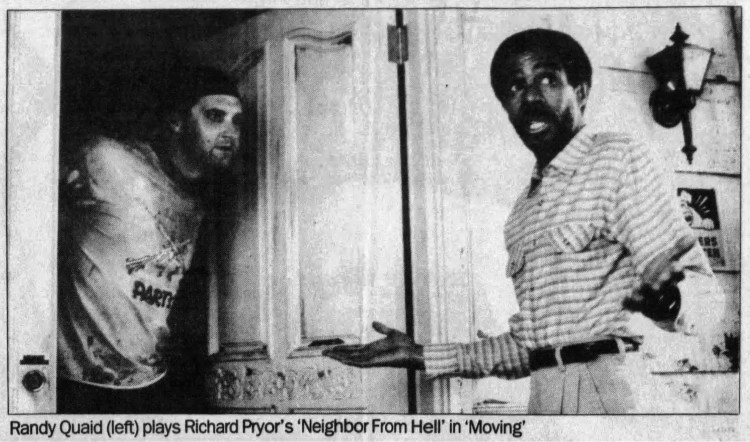
UK, 1993—USA, 1987—the words ‘—— from hell’ are suffixed to nouns often referring to everyday life, such as ‘holidays’ and ‘neighbour(s)’, to make phrases denoting an exceptionally unpleasant or bad example or instance of ‘——’
USA—‘Mr Nice Guy’ (1952, first used of Perry Como): a pleasant, selfless, thoughtful person—‘no more Mr Nice Guy’ (1960): used to express that one has decided to stop being considerate of others and instead act exclusively in one’s own self-interest
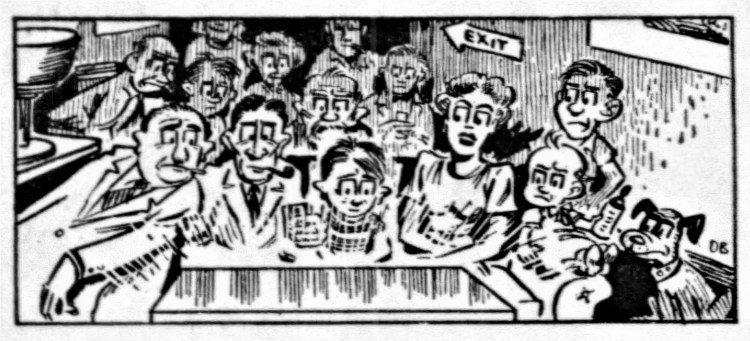
‘square eyes’ 1955: eyes fancifully imagined as made square by habitual or excessive television viewing; a person characterised as watching too much television—‘square-eyed’ 1953: affected by, or given to, excessive viewing of television
USA, 1927—a conventional film ending, regarded as sentimental or simplistic, and often featuring an improbably positive outcome—by extension: an improbably positive outcome to a real-life situation
1980s—to become wildly or explosively angry; to become highly excited or enthusiastic; to intensify rapidly and especially alarmingly—refers to the failure of a guided missile’s guidance system (1966)
USA, 1889—when a situation reaches a critical point and one must commit oneself to an action or decision—the image is of having to shove when mere pushing is ineffective
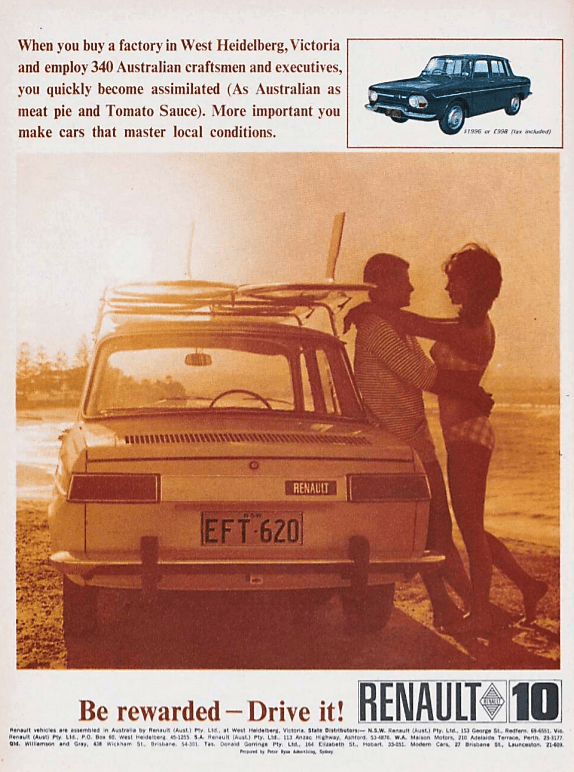
Australia, 1966—typically Australian in character—alteration of the phrase ‘as American as apple pie’, with reference to the prominence of meat pie in Australian diet
1914—the colloquial British-English phrase ‘to pop one’s clogs’ means ‘to die’—while ‘clog’ designates a shoe with a thick wooden sole, the acceptation of the verb ‘to pop’ is obscure
USA, 1990—a persistent or indefatigable person or phenomenon—refers to ‘Energizer Bunny’, the name of a battery-operated toy rabbit represented as never running out of energy, featured from 1988 in a television advertising campaign for batteries
USA, 1979—the children’s ability to pressurise their parents into buying something, or doing something for them, by continuing to ask for it until their parents agree to do it—originally referred to television advertising targeting children

 word histories