USA, 1974—a moment of sudden realisation, enlightenment or inspiration—alludes to the representation of an illuminated lightbulb above a character’s head in a cartoon or comic strip, indicating that this character has had an idea
a situation that has been completely mismanaged—from ‘omni-’ and ‘shambles’—coined by Tony Roche in the British television series The Thick of It (3rd series, episode 1, 24 October 2009)
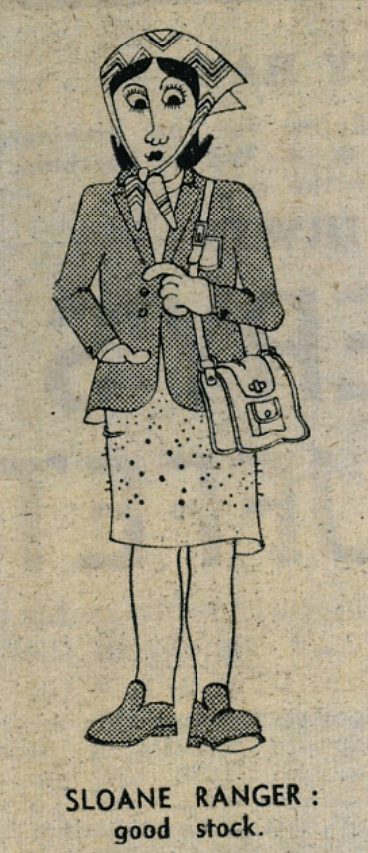
UK, 1975—an upper-class and fashionable, but conventional, young woman in London—blend of ‘Sloane Square’, the name of a square located in an affluent area of London, and ‘Lone Ranger’, the name of a well-known hero of western stories and films
UK, 1912—humorous: a Jewish person—refers to the Crossing of the Red Sea, as recounted in the Book of Exodus—coined on various occasions by different persons, independently from each other
used of a person who is frozen with fright or surprise, or is trying to flee, as a result of suddenly becoming the focus of attention—alludes to the habit of deer and rabbits of stopping still when dazzled by the headlights of a motor vehicle, or of running away within the headlight beam
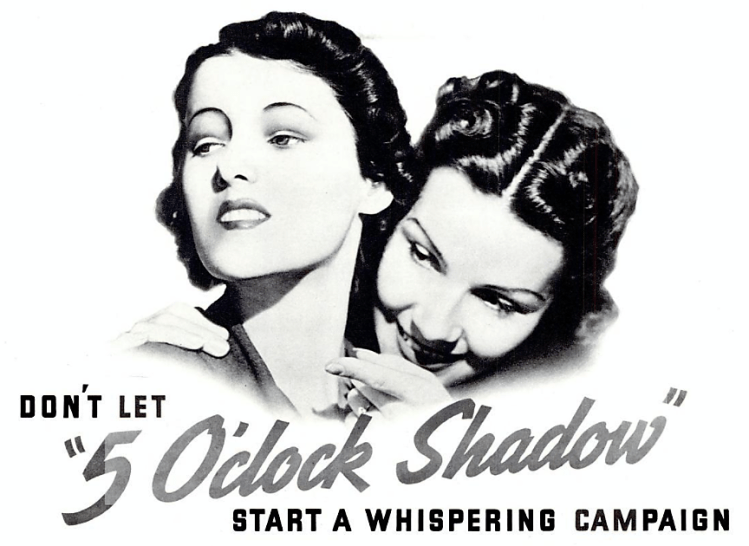
the beard growth which becomes visible in the late afternoon on the face of a man who has shaved earlier in the day—originally (USA, 1937) the catchline of an advertising campaign for Gem Micromatic Razor and Blades