meaning and origin of the phrase ‘Barmecide feast’
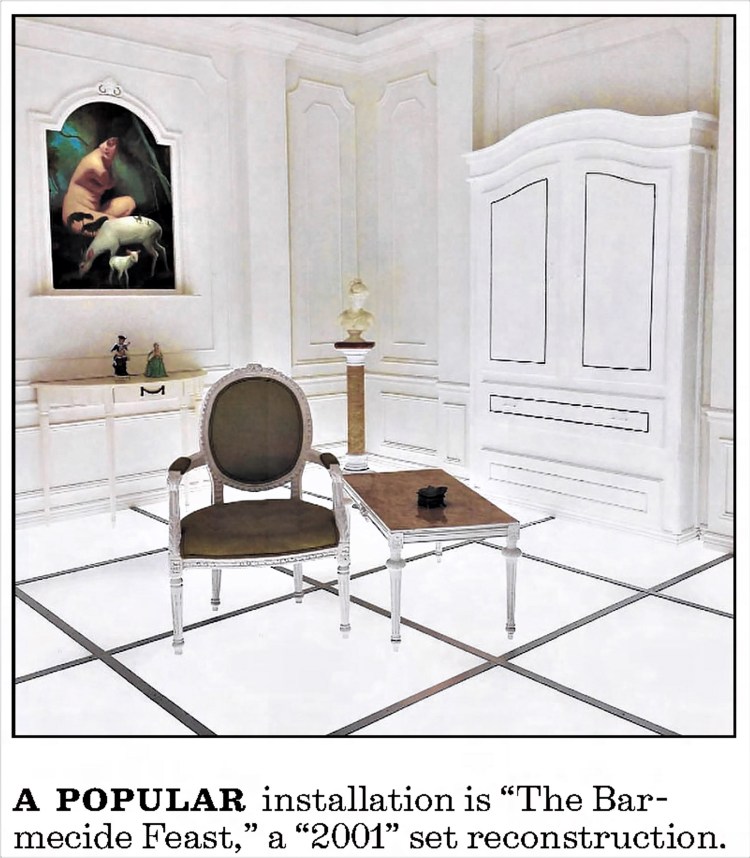
UK, 1823—pretended or illusory generosity or hospitality—from the name of a prince in The Arabian Nights, who gave a beggar a feast consisting of empty dishes
Read More
“ad fontes!”
UK, 1823—pretended or illusory generosity or hospitality—from the name of a prince in The Arabian Nights, who gave a beggar a feast consisting of empty dishes
Read More
something extra that makes a good thing even better—USA 1889 with ‘frosting’, 1896 with ‘icing’—refers to a sugar preparation for coating and decorating cakes
Read More
UK, 1849: cheap dingy eatery, as a translation from German—USA, from 1862 onwards: brothel, squalid lodging-house, bar; 1897: cheap dingy eatery
Read Moreearly 18th century, in Jonathan Swift’s ‘Polite Conversation’—from the folk belief that one shudders when somebody walks over the site of one’s future grave
Read More
1875 in The Evening News (Indianapolis, USA)—in reference to tin as a base metal, ‘tin’ is used in the senses ‘petty’, ‘worthless’, ‘counterfeit’
Read Morechurchyard—from German ‘Gottesacker’, literally ‘God’s field’—image of the bodies of the dead sown like seeds in order to bear fruit at the time of resurrection
Read More
USA, 1874, as ‘a little tin Jesus on wheels’—in reference to tin as a base metal, ‘tin’ is used figuratively in the senses ‘petty’, ‘worthless’, ‘counterfeit’
Read Moreto behave in an unpleasant, aggressive or overbearing manner; to speak in a sarcastic or caustic way—British Army slang, World War I
Read More
to die; to be lost or destroyed; to meet with disaster—1914, Army slang—probably from the notion of the setting sun symbolising disappearance or finality
Read Morewomen regarded collectively as objects of sexual desire; sexual intercourse—first recorded in ‘The Gilt Kid’ (1936), by James Curtis (Geoffrey Basil Maiden)
Read More
