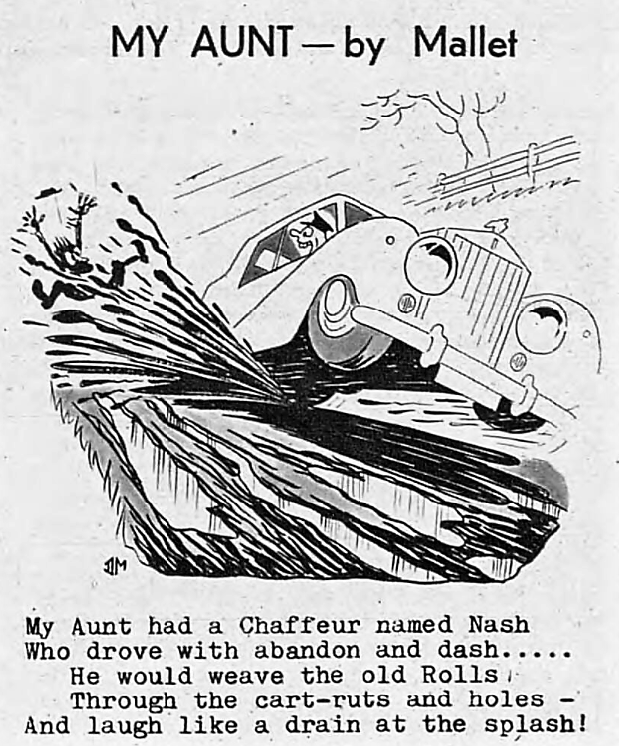
Australia, 1973—used of anything that is absolutely unacceptable, and of any disagreeable situation or experience—‘Jap’: derogatory shortening of ‘Japanese’—Anzac Day: commemoration of the landing of the Australian and New Zealand Army Corps in the Gallipoli Peninsula in 1915
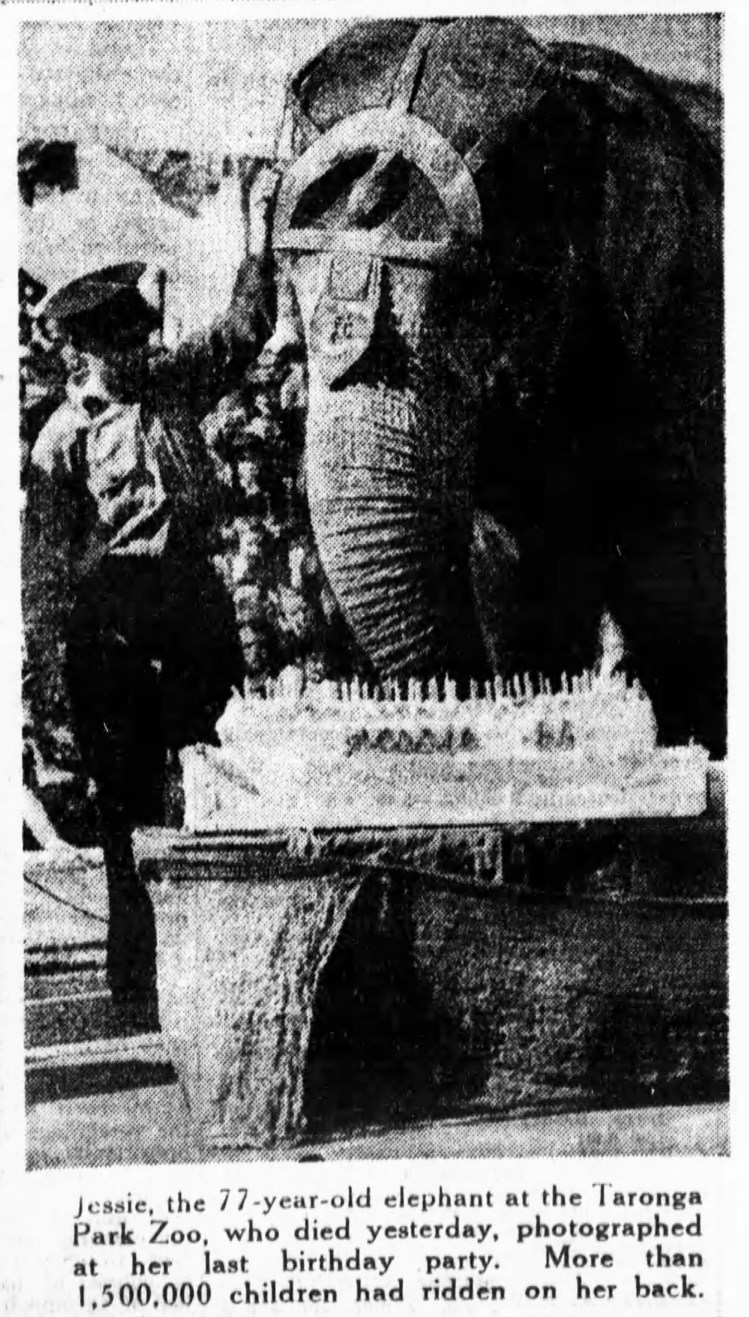
Australia, 1919—an excess of effrontery—puns on two meanings of ‘hide’ (the skin of an animal – effrontery) and refers to ‘Jessie’, the name of an elephant that was kept in the zoological gardens of Sydney, New South Wales
USA, 1936—the facts about sexual reproduction, especially as explained to a child—when this phrase appeared, ‘birds’ and ‘bees’ had long been commonly paired in literary allusions
1980s—to become wildly or explosively angry; to become highly excited or enthusiastic; to intensify rapidly and especially alarmingly—refers to the failure of a guided missile’s guidance system (1966)
UK, 1828—sleep, especially taken before midnight, assumed to be necessary to keep one looking healthy and attractive; any extra sleep—sleep taken before midnight is popularly thought to be most restful
USA—‘asphalt jungle’ 1920—‘concrete jungle’ 1924—designate a city or urban area which has a high density of large, unattractive, modern buildings and is perceived as an unpleasant living environment
a sample text beginning with ‘lorem ipsum’, based on jumbled elements from Cicero’s De Finibus Bonorum et Malorum—‘lorem ipsum’: arbitrary clipping of the first syllable of ‘dolorem ipsum’ in Cicero’s text
1909 to 1923 in stories by English author P. G. Wodehouse—a facetious appellation for a home or hospital for people with mental illnesses—‘loony’: shortened form of ‘lunatic’
UK, 1808—to make one’s beliefs or intentions plain—from the former practice of nailing an ensign to the mast of a ship, after damage during battle resulted in the ship’s colours no longer being clearly displayed, which otherwise might have been interpreted as a signal of surrender