‘the birds and the bees’: meaning and early occurrences
USA, 1936—the facts about sexual reproduction, especially as explained to a child—when this phrase appeared, ‘birds’ and ‘bees’ had long been commonly paired in literary allusions
Read More
“ad fontes!”
USA, 1936—the facts about sexual reproduction, especially as explained to a child—when this phrase appeared, ‘birds’ and ‘bees’ had long been commonly paired in literary allusions
Read More1980s—to become wildly or explosively angry; to become highly excited or enthusiastic; to intensify rapidly and especially alarmingly—refers to the failure of a guided missile’s guidance system (1966)
Read MoreUK, 1828—sleep, especially taken before midnight, assumed to be necessary to keep one looking healthy and attractive; any extra sleep—sleep taken before midnight is popularly thought to be most restful
Read MoreUSA—‘asphalt jungle’ 1920—‘concrete jungle’ 1924—designate a city or urban area which has a high density of large, unattractive, modern buildings and is perceived as an unpleasant living environment
Read More
a sample text beginning with ‘lorem ipsum’, based on jumbled elements from Cicero’s De Finibus Bonorum et Malorum—‘lorem ipsum’: arbitrary clipping of the first syllable of ‘dolorem ipsum’ in Cicero’s text
Read More1909 to 1923 in stories by English author P. G. Wodehouse—a facetious appellation for a home or hospital for people with mental illnesses—‘loony’: shortened form of ‘lunatic’
Read More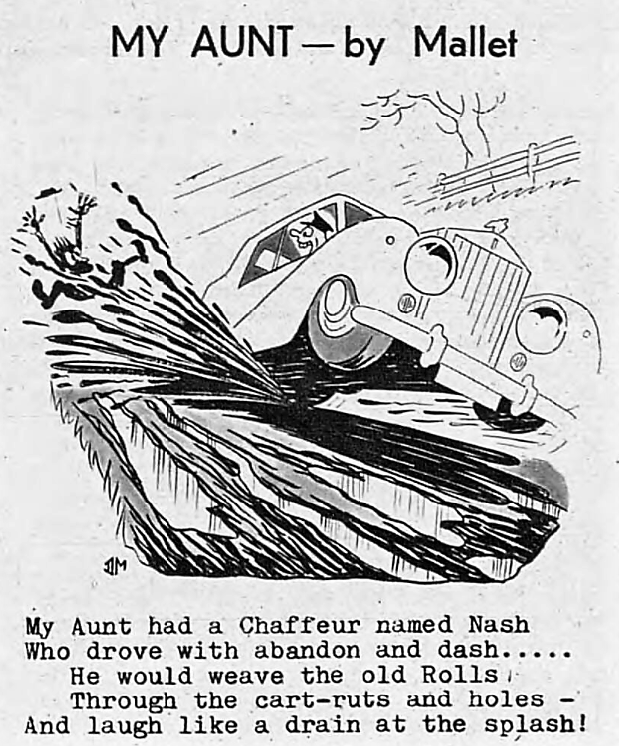
UK, 1935—to laugh loudly and coarsely—alludes to the sound of water gurgling down a drain
Read MoreUK, 1808—to make one’s beliefs or intentions plain—from the former practice of nailing an ensign to the mast of a ship, after damage during battle resulted in the ship’s colours no longer being clearly displayed, which otherwise might have been interpreted as a signal of surrender
Read MoreUK, 1685—a person who is friendly only when it is easy or convenient to be so, whose friendship cannot be relied on in times of difficulty
Read MoreUSA, 1857—an exclamation expressing surprise or dismay—the motivation for the choice of the female forename ‘Betsy’ (variant of ‘Betty’, pet form of ‘Elizabeth’) is unknown
Read More word histories