‘bibliotherapy’: meaning and origin
the use of books for therapeutic purposes, especially in the treatment of mental health conditions—USA, 1914—coined by essayist and Unitarian minister Samuel McChord Crothers (1857-1927)
Read More
“ad fontes!”
the use of books for therapeutic purposes, especially in the treatment of mental health conditions—USA, 1914—coined by essayist and Unitarian minister Samuel McChord Crothers (1857-1927)
Read MoreUK, 1860: used specifically of the political and commercial uniqueness or isolation of the United Kingdom—but used earlier, more generally, in reference to being cut off from one’s kind or from the rest of the world
Read MoreUK, 1839—France, 1843—the best people in a group, or the best type of a particular thing—a borrowing from French ‘crème de la crème’, literally ‘cream of the cream’
Read MoreAustralia, 1865 (nonce-use): the process of turning into a person of high social rank—UK, 1964 (coined by sociologist Ruth Glass): the process whereby middle-class people take up residence in a traditionally working-class area of a city
Read More
‘to spread [something or someone] like Marmite’ (1964)—‘like Marmite, a little goes a long way’ (1970)—Marmite is a savoury paste made from concentrated yeast and vegetable extract, used as a spread and for enriching soups and stews
Read More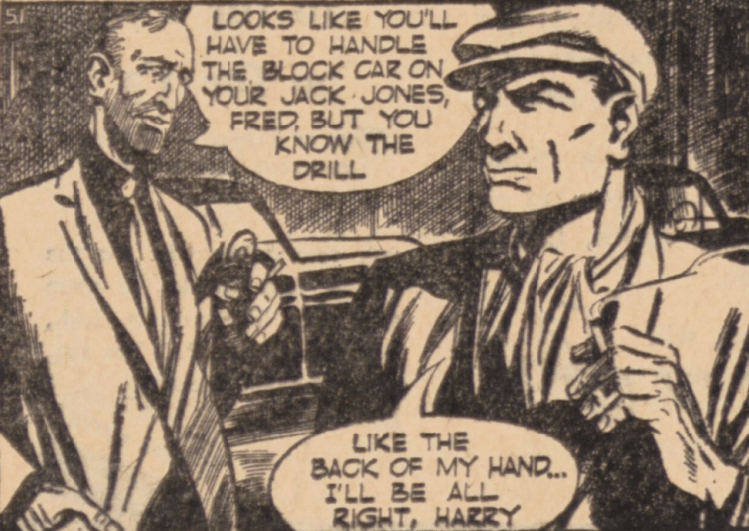
‘on one’s own’—UK, 1926—‘Jack Jones’ is rhyming slang for ‘alone’, or for ‘own’ in ‘on one’s own’
Read MoreAustralia, 1986—used as an assurance that all is fine, or to express one’s agreement or acquiescence—euphemistic alteration, with switching of the initial consonants, of ‘no fucking worries’
Read Moreto hurry up (1849 in Charles Dickens’s David Copperfield); the image is of a skater gliding rapidly over an ice surface—also, in early use (USA, 1886): to get drunk; the rolling gait of a drunk person is likened to the swaying motion of an ice skater
Read MoreUK, 1922—used in negative constructions with a following noun to mean ‘a single ——’, ‘any ——’; the nouns most commonly used in those constructions are ‘notice’ and ‘difference’
Read Morean apparent misfortune that works to the eventual good of the recipient—first half of the 18th century (from 1713 onwards) in the plural form ‘blessings in disguise’
Read More
