Australia, 1927—alteration of ‘blanc’ in French ‘vin blanc’ (‘white wine’)—via rhyming slang forms such as ‘plinketty-plonk’, from phrases such as ‘vin blank’ in the slang of soldiers stationed in France during WWI
interjection used to suggest that something can be done or understood with no difficulty—UK, 2009—from the catchword uttered by Aleksandr Orlov, an animated Russian meerkat, in a television advertising campaign for comparethemarket.com
a country characterised by absurdity—originally used of Czechoslovakia—the suffix ‘-istan’ (in country names such as ‘Pakistan’) is used as the second element in satirical names denoting, in particular, ‘a country characterised by [the first element]’
suicide committed by a person, especially a child or young adult, as a result of being bullied—blend of the nouns ‘bully’ and ‘suicide’—coined since 2001 on separate occasions by various persons, independently from one another
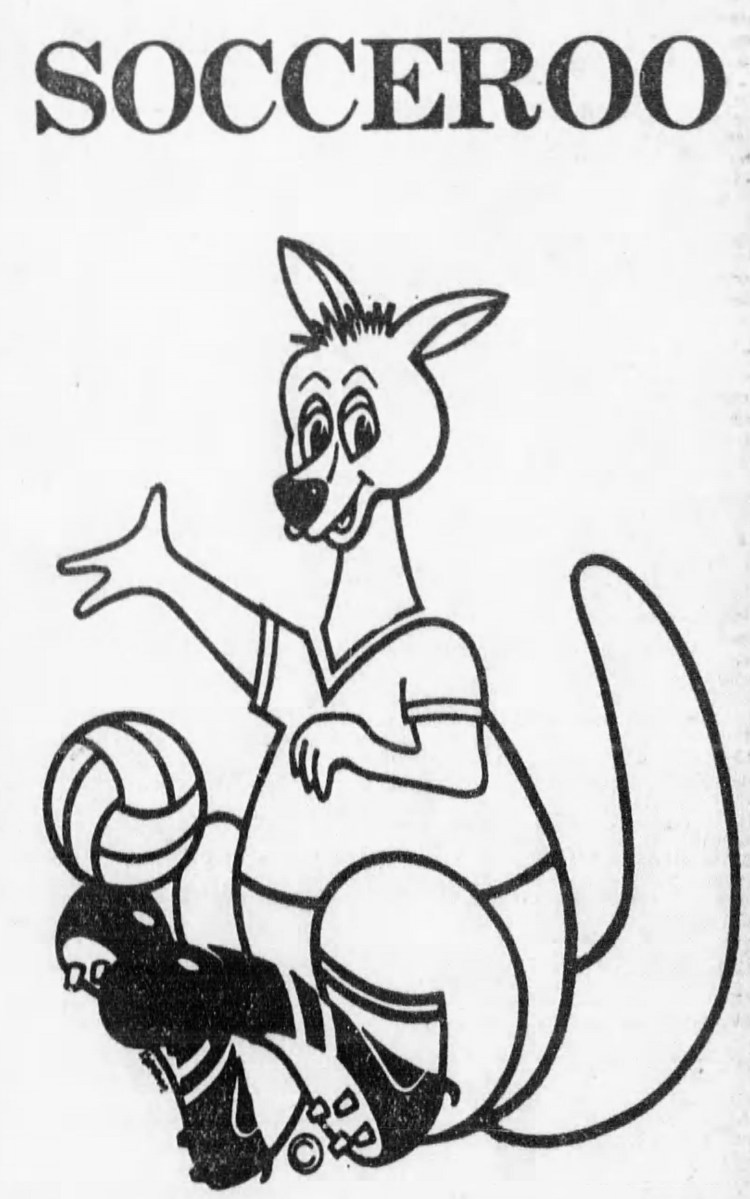
(plural) the Australian men’s national soccer team; (singular) a member of this team—originated in 1972 as the name of the mascot of the Australian men’s national soccer team, created for the 1974 FIFA World Cup
Australia—‘charity dame’ 1949—‘charity moll’ 1962—an amateur prostitute who charges less than the usual rate—from ‘Moll’, pet form of the female forename ‘Mary’, the noun ‘moll’ has long been used to designate a prostitute
UK, 1989—refers to Manchester, in north-western England, as a centre of popular music and club subculture in Britain in the late 1980s and early 1990s—blend of ‘mad’ and ‘Manchester’
In British English, the noun ‘porky’ (also ‘porkie’) is short for ‘porky pie’ (also ‘porkie pie’), which is an alteration of ‘pork pie’, rhyming slang for the noun ‘lie’.
UK, 1974—applied jocularly to any supposed network of prominent or influential Welsh people, especially one which is strongly nationalistic—a blend of ‘Taffy’, denoting a Welshman, and ‘Mafia’


 word histories