‘chateau tap-water’ | ‘Château-la-Pompe’
tap-water likened to a grand cru—in reference to ‘château’ in names of wines of superior quality—in French ‘Château-la-Pompe’ (i.e. ‘Château-the-Pump’), ‘pompe’ denotes a device for raising water
Read More
“ad fontes!”
tap-water likened to a grand cru—in reference to ‘château’ in names of wines of superior quality—in French ‘Château-la-Pompe’ (i.e. ‘Château-the-Pump’), ‘pompe’ denotes a device for raising water
Read Morewine, especially cheap wine of inferior quality—UK, 1973—from ‘château’ (as used in names of expensive wines of superior quality made at vineyard estates) and ‘plonk’, denoting cheap wine of inferior quality
Read More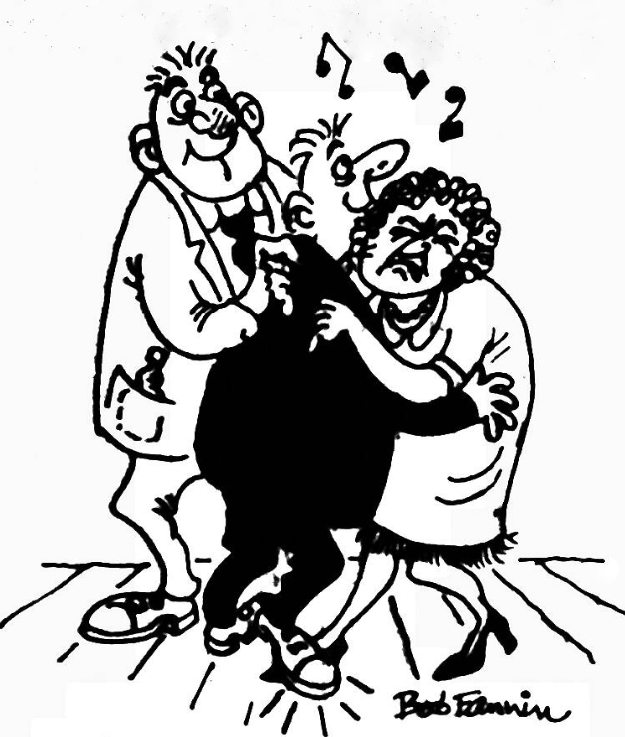
UK and Ireland—a dance in which one may supersede a partner—first recorded in 1923—but the expression ‘excuse-me waltz’ had occurred in 1922
Read MoreParticularly in Australian English, with reference to the phrase ‘not to care a bugger’, meaning ‘not to care at all’, the noun ‘imbuggerance’, also ‘embuggerance’, denotes ‘absolute indifference’.
Read Moreto do everything possible to achieve a result or effect—UK, 1865 (as ‘to pull out a few more stops’)—alludes to pulling out all the stops of an organ in order to produce a full and thrilling sound
Read Moresomething of no value, something to which one is utterly indifferent—UK, 1785—derives from a misinterpretation of “Worth makes the Man, and Want of it the Fellow;/The rest, is all but Leather or Prunella.” in An Essay on Man (1734), by Alexander Pope
Read Morea person who now preserves the interests that he or she previously attacked—UK, 19th century—but the notion occurred in Chaucer’s Physician’s Tale and ‘the greatest deer-stealers make the best park-keepers’ in The Church-History of Britain (1655)
Read Moreinterjection used to suggest that something can be done or understood with no difficulty—UK, 2009—from the catchword uttered by Aleksandr Orlov, an animated Russian meerkat, in a television advertising campaign for comparethemarket.com
Read Morethe exploitation and intimidation of tenants by unscrupulous landlords—UK, 1963—refers to Peter Rachman, a London landlord whose unscrupulous practices became notorious in the early 1960s
Read Moreused of any never-ending or arduous task—UK, 1923—alludes to the huge task of maintaining the painted surfaces of the railway bridge over the Firth of Forth, in central Scotland
Read More word histories