to lose one’s temper—USA, 1913—in an internal-combustion engine, a gasket is sealing layer between adjoining surfaces—hence ‘to blow (out) a gasket’ (USA, 1874): to have a gasket come loose due to excess pressure
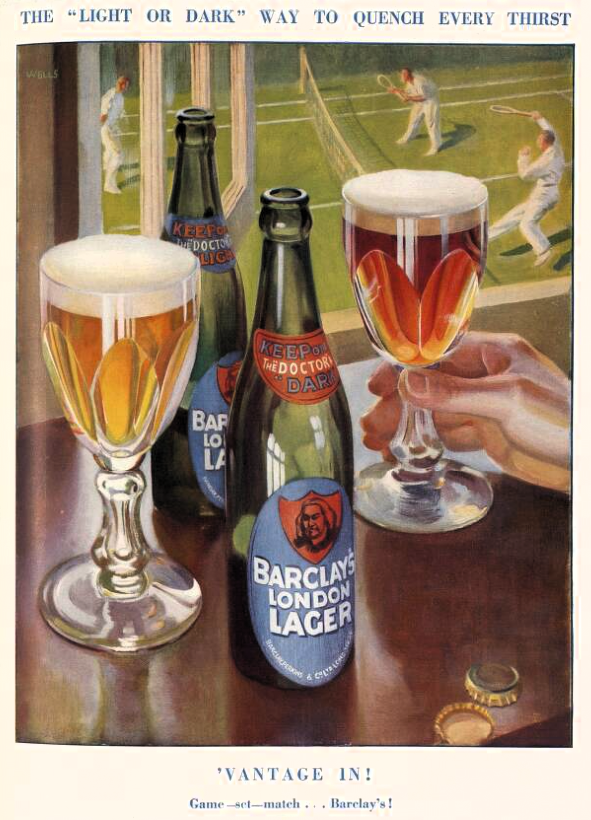
literally (UK, 1876): a victory in a tennis match, secured by winning the deciding game of the last set required to win—in extended use (UK, 1906): a complete and decisive victory
USA, 1913: a minority group regarded as eccentric, extremist or fanatical, or simply stupid—but originally, USA, 1874: a woman or girl’s hairstyle in which the front is cut straight and square across the forehead
USA, 1927: a minority group regarded as eccentric, extremist or fanatical, or simply stupid—but originally, UK, 1873: a woman or girl’s hairstyle in which the front is cut straight and square across the forehead
first used by Frieda Carter, Tennessee, 1928—in expressions such as ‘Tom Thumb golf course’, ‘Tom Thumb’ refers to a form of golf played on a small-scale course, or to a novelty putting course consisting of a variety of obstacles
U.S. slang, 1935—a photograph of a person’s face, especially in police or other official records—from ‘mug’ (a person’s face) and ‘shot’ (a single photographic exposure)
Australia, 1978—used of a desirable state of political stability—alludes to a remark made by Malcolm Fraser, Leader of the Liberal Party, during the campaign for the 1975 Australian federal election
a coin-operated phonograph (typically in a gaudy, illuminated cabinet) having a variety of records that can be selected by push button—USA, 1939—earlier appellation: jook organ (Florida, 1937)
enjoyment or pleasure shared by a large number of people—coined by Samuel Johnson in his posthumous homage to David Garrick published in Prefaces, biographical and critical, to the works of the English poets (London, 1779)