‘the second sex’: meaning and origin
women collectively, regarded as inferior to men—first occurred in ‘Don Juan’ (1821), by George Gordon Byron
Read More
“ad fontes!”
women collectively, regarded as inferior to men—first occurred in ‘Don Juan’ (1821), by George Gordon Byron
Read Morea type of popular novel characterised by frequent explicit descriptions of sexual encounters between the characters—from ‘bonk’, referring to sexual intercourse, and ‘blockbuster’—UK, 1988—perhaps coined by Sue Limb
Read Morea genre of popular fiction featuring wealthy and glamorous characters who typically engage in frequent sexual encounters and extravagant spending—USA, 1985 & 1986, in reference to British novelist Jackie Collins and U.S. novelist Judith Krantz
Read Morealso ‘to be all thumbs’—to be extremely clumsy (i.e., lacking in manual dexterity)—19th century—variants of the original phrase ‘each finger is a thumb’, already proverbial in the mid-16th century
Read Morea ladies’ man—British-Army slang, 1900—based on the image of emulating a pet dog
Read More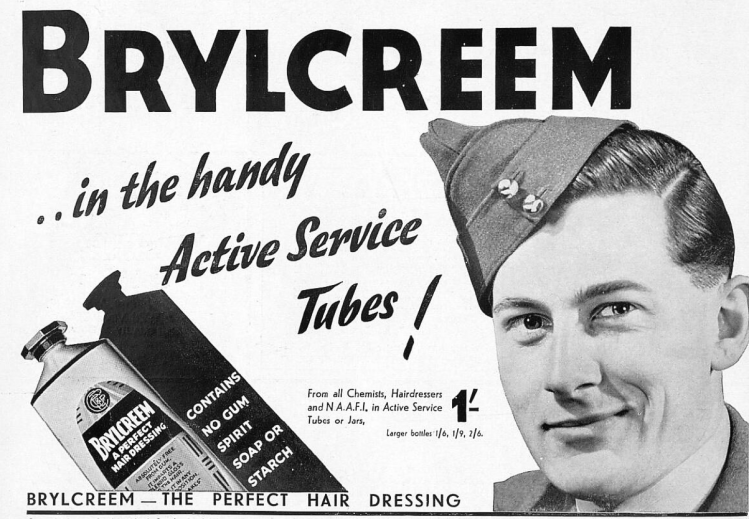
UK, 1941—a fighter pilot in the Royal Air Force; also used by the military land forces of any member of the R.A.F.—originally referred to WWII advertisements for Brylcreem hair cream, featuring a fighter pilot
Read Moreto get a severe beating—popularised in UK & Ireland in the 2nd half of the 20th century through its use in chants by supporters at Association-Football matches, chiefly to threaten opposing away supporters
Read MoreUK—an ambulance (i.e., a vehicle designed to carry sick or injured people)—originally (Royal Air Force slang, 1921): a specially equipped airplane for carrying sick or injured people
Read Morea married man living apart from his wife—UK, 1822—coined after ‘grass widow’
Read Morea married woman living apart from her husband (18th century)—originally (16th century) an unmarried woman who has borne an illegitimate child—alludes to a bed of grass as a typical place for illicit sexual intercourse
Read More word histories