very stupid—popularised by Jethro Tull’s ‘Thick as a Brick’ (1972), but already existed—in early use (19th century) applied to nouns such as ‘skull’ and ‘head’, used metonymically for ‘intelligence’
USA, 1815—not completely well; slightly ill or depressed—the image is of a ship caught in a storm (the noun ‘weather’ has long been used to denote a storm)
Australia, 1946—an imaginary nerve that reacts whenever demands are made on one’s money, especially in the context of government proposals to increase taxes—first used, if not coined, by Ben Chifley, Prime Minister of Australia (1945-49)
USA, late 19th century—to give up, to retire, also, occasionally, to die—from the image of a billiard-player putting the cue back in the rack when the game is over
Australia, 1938—an indignant response to someone who is taking the speaker for a fool—alludes to the condescending way in which townspeople treated people from the country during bush week (i.e., a festival held in a town or city, celebrating bush produce, activities, etc.)
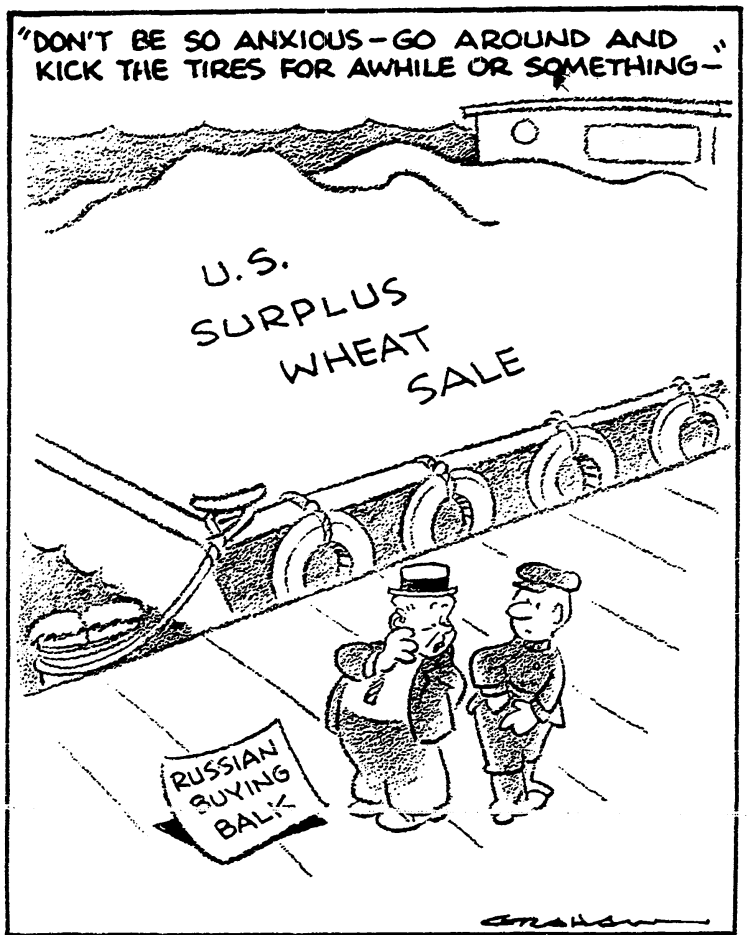
USA, early 1960s—to test, check or research the condition or quality of a product, service, etc., before purchase or use—alludes to the practice consisting for a prospective buyer in kicking the tyres of a motorcar when inspecting it
the targeting of a potentially controversial message to specific voters while avoiding offending those voters with whom the message will not be popular—Canada, 1995—the image is that, like the sound made by a dog whistle, the message is only fully audible to those at whom it is directly aimed
UK politics, 1962—to delay dealing with something, in the hope that it will be forgotten—from the image of sending a ball into the tall grass off the playing field during a sporting event, which interrupts this event
USA, 1995—a woman thought to have become intolerably obsessive or overbearing in planning the details of her wedding—from ‘Godzilla, the suffix ‘-zilla’ is used to form humorous nouns which depict a person or thing as a particularly fearsome, relentless or overbearing example of its kind


 word histories