MEANING a man unduly concerned with looking stylish and fashionable ORIGIN As it was originally in use on the Scottish Border at the end of the 18th century, dandy represents perhaps the name Andrew. (From Dandie Dinmont (i.e. Andrew Dinmont), the name of a character in Guy Mannering; or, The Astrologer (1815), […]
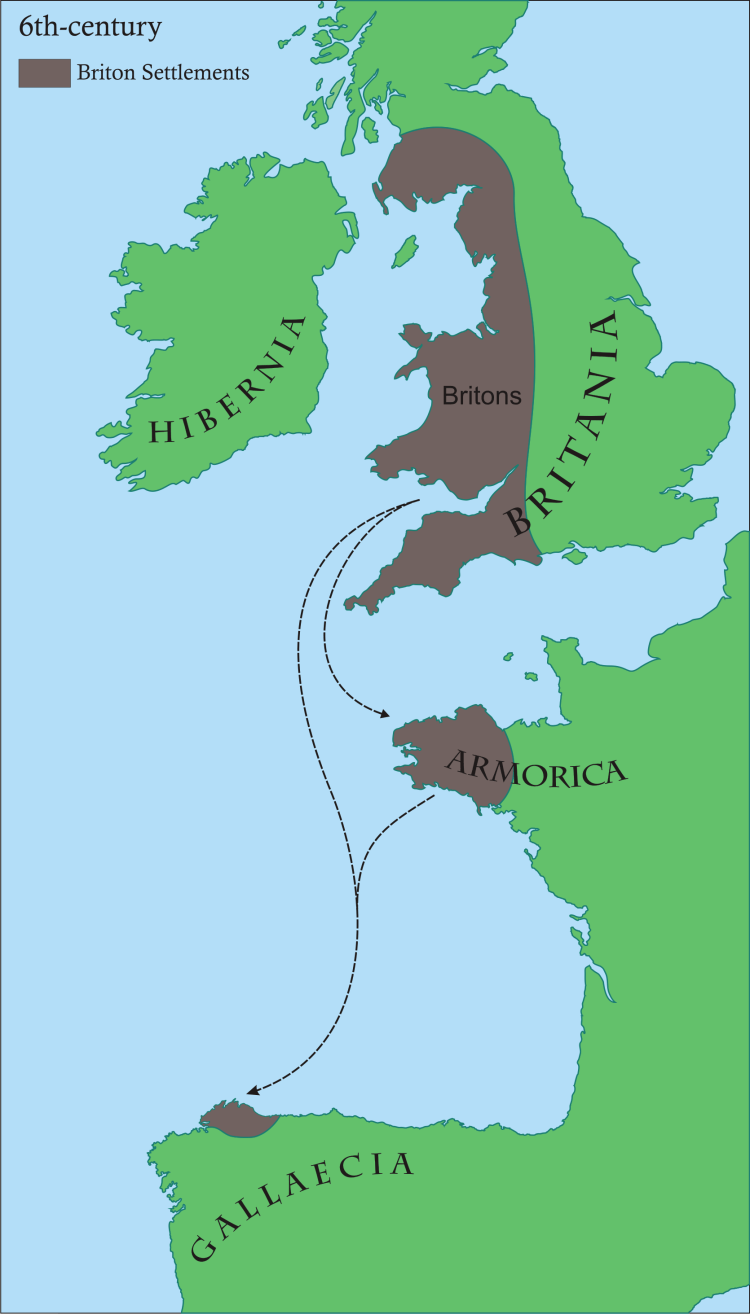
Briton settlements in the 6th century – settlements of the Angles, Saxons and Jutes in Britain, circa 600 In the following, Briton will refer to the Celtic Brittonic-speaking peoples who inhabited Britain south of the Firth of Forth, and who, following the arrival of the Anglo-Saxons in the 5th century, gradually retreated until the […]
The English adjective pregnant has several meanings: carrying a fetus or fetuses within the womb, full of meaning or significance, inventive or imaginative, prolific or fruitful. It is from the Latin adjective praegnans/praegnant-, with child, pregnant, variant of praegnas/praegnat-, probably from the prefix prae-, before, and the stem of the verb gnasci (past participle gnatus), […]
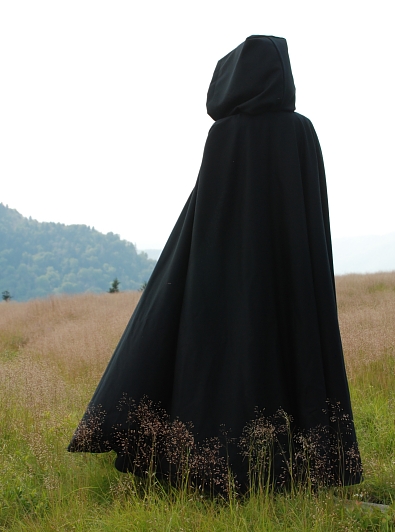
cloak: twin roses designs The nouns clock and cloak are doublets, or etymological twins: they are of the same derivation but have different forms and meanings. Despite the notion of ‘two’ implied by doublet, the term is also applied to sets of more than two words. In this case, cloche, a borrowing from French, […]
The English nouns lobster and locust are doublets. Doublets (or etymological twins) are words in one given language that go back to the same etymological source but differ in form and meaning—cf. also turban – tulip, clock – cloak, pastiche – pastis and fawn – fetus. The word lobster is from Old English […]
The English words turban and tulip are doublets. Doublets (or etymological twins) are words in one given language that go back to the same etymological source but differ in form and meaning—cf. also lobster – locust, fawn – fetus, pastiche – pastis and clock – cloak. The word turban is from tul(i)pant, […]
The English poet John Taylor (1578-1653) wrote, in The great eater, of Kent, or Part of the admirable teeth and stomacks exploits of Nicholas Wood, of Harrisom in the county of Kent His excessiue manner of eating without manners, in strange and true manner described, by Iohn Taylor (1630): One Iohn Dale was too hard […]
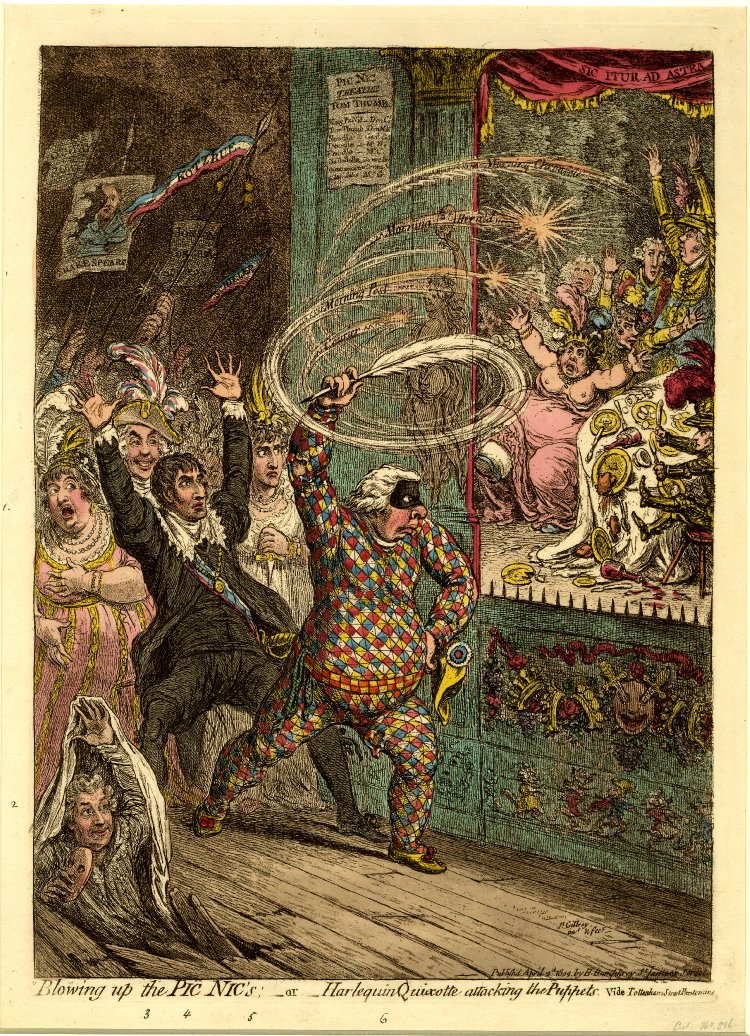
Blowing up the PIC NIC’s:—or—Harlequin Quixotte attacking the Puppets. Vide Tottenham Street Pantomime (1802), by James Gillray (1756-1815) — image: The British Museum MEANING a meal eaten outdoors ORIGIN This word is from French pique-nique, probably formed with reduplication from the verb piquer, to pick. (Similarly, pêle-mêle, the origin […]
the 1905 edition of Le Petit Larousse illustré, a French-language encyclopaedic dictionary published by the Éditions Larousse In 1890, Eugène Grasset (1845-1917) designed the image of la Semeuse (the Sower) blowing dandelion seeds, which accompanies the motto of the Éditions Larousse, Je sème à tout vent (I sow to the four winds). The word […]
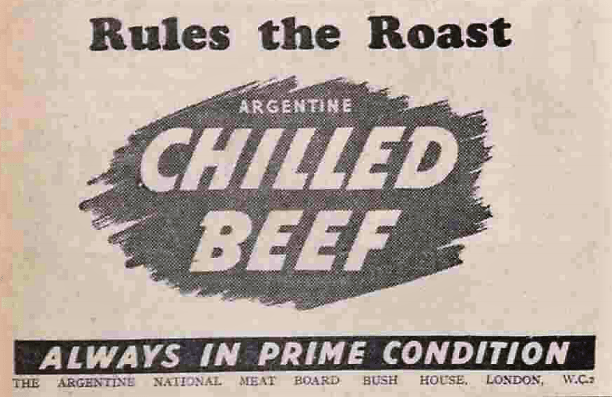
To rule the roost means to be in a dominating position over others. This phrase conjures up a picture of a cock lording it over a group of hens, i.e. a roost, in the farmyard, and appears to be similar to cock of the walk, which designates someone who dominates others within a group. But […]




 word histories