the legendary origin of ‘a Roland for an Oliver’

meaning: ‘tit for tat’—Oliver was a full match for his comrade Roland, the legendary nephew of Charlemagne in ‘La Chanson de Roland’ and other romances
Read More
“ad fontes!”
meaning: ‘tit for tat’—Oliver was a full match for his comrade Roland, the legendary nephew of Charlemagne in ‘La Chanson de Roland’ and other romances
Read More
UK, 1971, in graffiti—preceded by a proper or common noun in the singular or plural; used to assert the pre-eminence of a specified person or thing
Read More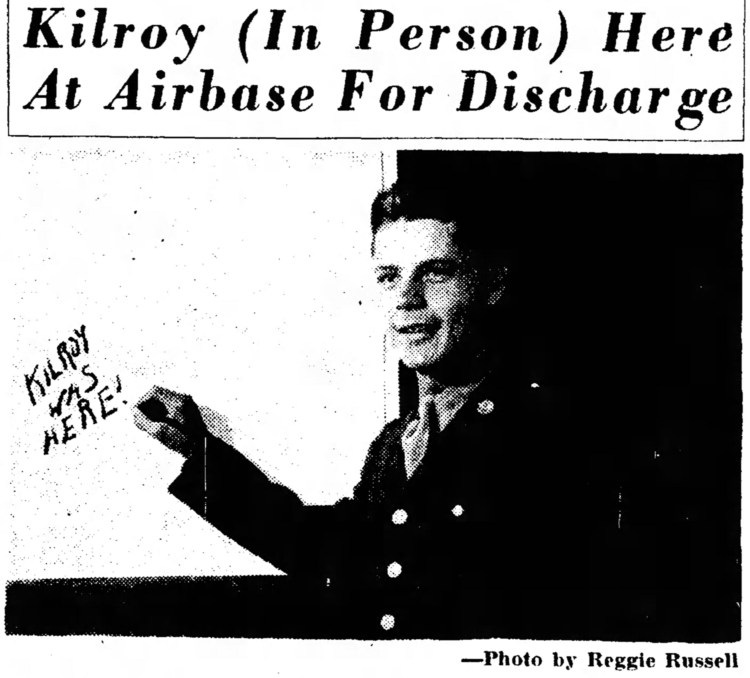
Sgt Francis J. Kilroy’s surname, first written in 1943 by his friend Sgt James Maloney (source: Army Public Relations, in the Tucson Daily Citizen, 8 Nov. 1945)
Read More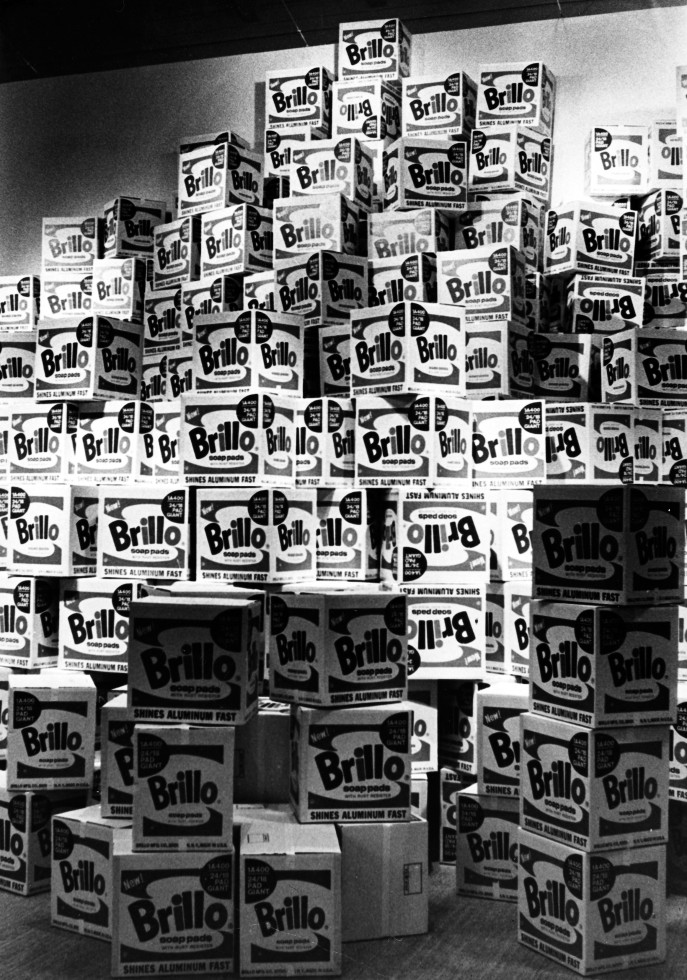
apparently misattributed to Andy Warhol in the book published for the first European retrospective of his work at the Moderna Museet, Stockholm, Sweden, in 1968
Read More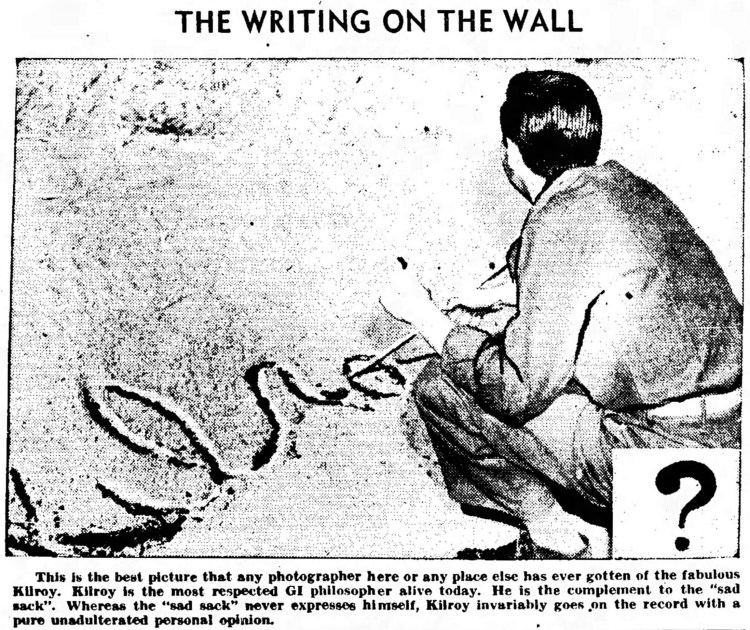
first recorded at Kearns air force base and Salt Lake City, both in Utah, in June and July 1945; originally seen merely as an amusing legend
Read More
phonetic reduction of ‘Christ’s cross’; first element phonetically reduced as in ‘Christmas’; hence ‘criss-cross’ treated as a reduplication of ‘cross’
Read More‘blanket’: from Old-Northern-French and Anglo-Norman forms such as ‘blankete’ (white woollen material), composed of ‘blanc’ (white) and the diminutive suffix ‘-ette’
Read Morefrom the legal formula ‘part and parcel’, in which both nouns meant ‘an integral portion of something’, the second noun merely reinforcing the first
Read More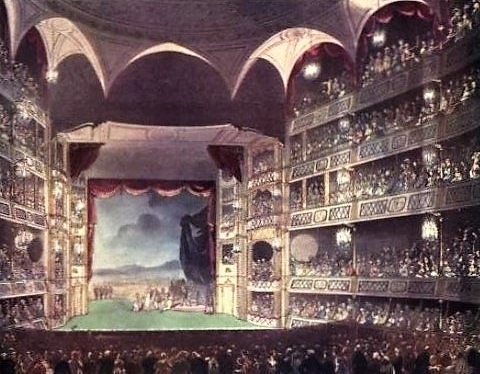
UK, 1784—elaborated on the archaic ‘on the spur’, which meant ‘in great haste’ and referred to the use of spurs to urge a horse forward
Read More
The spelling ‘ache’ (erroneously derived from Greek ‘ákhos’) instead of ‘ake’ is largely due to Samuel Johnson in A Dictionary of the English Language (1755).
Read More
