origin of ‘Bananaland’, colloquial Australian name for Queensland
Australia, 1880—from the fact that bananas grow in abundance in Queensland (a state comprising the north-eastern part of Australia)
Read More
“ad fontes!”
Australia, 1880—from the fact that bananas grow in abundance in Queensland (a state comprising the north-eastern part of Australia)
Read More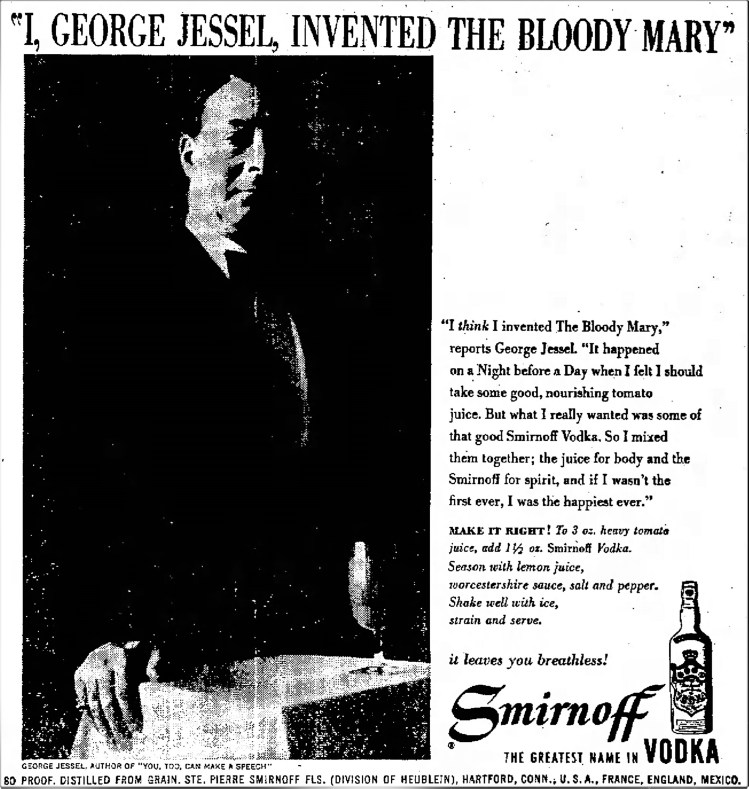
It seems that the American comedian George Jessel (1898-1981) invented the Bloody Mary and named it after Mary Brown Warburton (1896-1937).
Read MoreUK—‘a legend in your lifetime’ (1913): allegedly said by Benjamin Jowett to Florence Nightingale—‘a legend in his own lunchtime’ (1969): first recorded in a theatrical review by John Cunningham
Read MoreUSA, 1947—the leading comic in a burlesque entertainment—also ‘first banana’, in contrast to ‘second banana’ and ‘third banana’
Read Morea Latin-American country that is politically unstable because its economy, controlled by U.S. capital, wholly depends on the export of bananas
Read More
UK, 1852—of a person or thing: irretrievably defunct or out of date—with reference to the extinct bird of Mauritius
Read More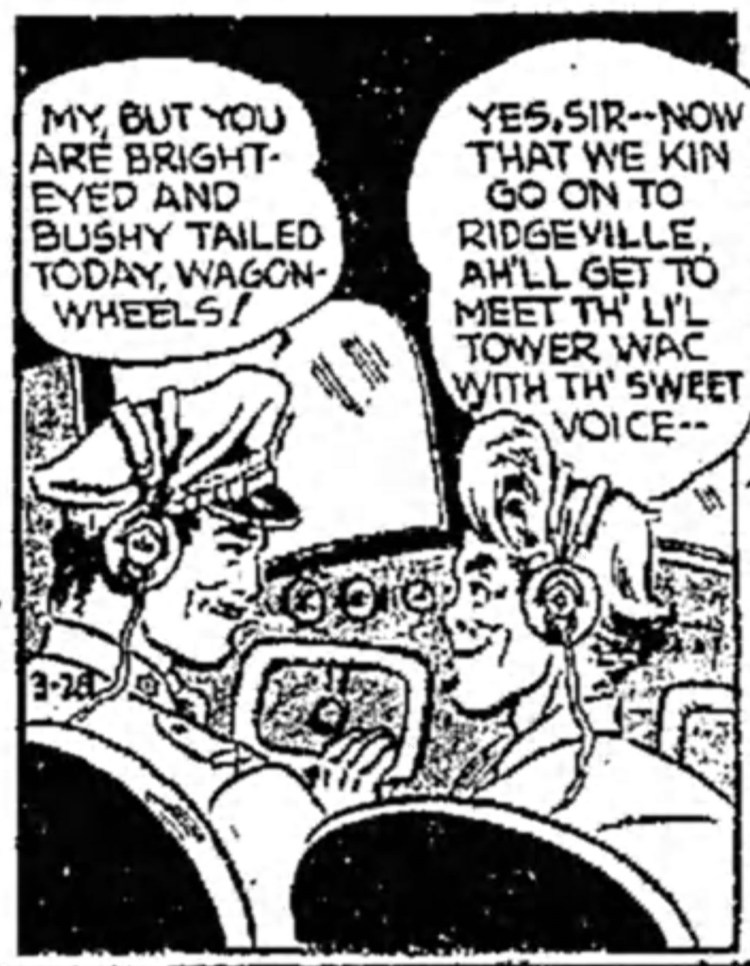
USA, 1940—alert and lively—originated in the conventional image of a healthy, spirited squirrel or other animal
Read MoreUK, 1820—to show willingness to enter into a contest or take up a challenge, especially in business or politics—originally (1804) used in boxing with reference to the custom of throwing a hat into the ring to signal willingness to enter a contest
Read MoreThe adjective ‘living’ is an intensifier, and ‘daylights’ is an 18th-century slang term for ‘eyes’ chiefly used in contexts of physical violence or threats.
Read Morecoined as ‘tired and overwrought’ in ‘Private Eye’ (London) of 29 September 1967 about British Labour politician George Brown (1914-85)
Read More
