meaning and origin of the British phrase ‘sitting by Nellie’

1956—learning a job by observing how an experienced worker does it—‘Nellie’ is simply a generic name for a trained worker.
Read More
“ad fontes!”
1956—learning a job by observing how an experienced worker does it—‘Nellie’ is simply a generic name for a trained worker.
Read More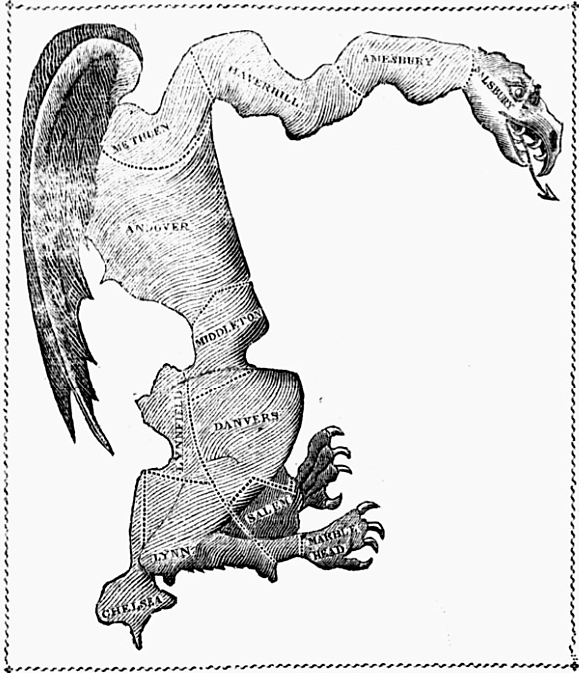
the drawing of the ‘Gerry-mander’ and the accompanying text—as published in the Boston Gazette (Boston, Massachusetts) of 26 March 1812
Read More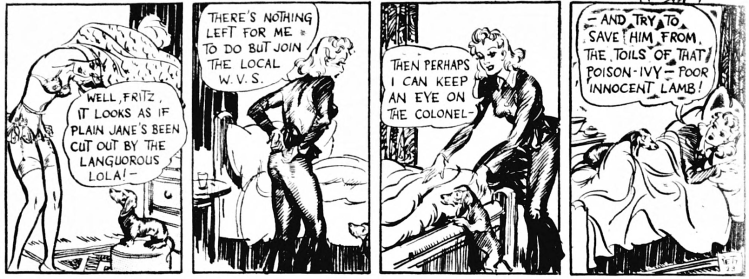
UK, 1898, in ‘plain Jane and no nonsense’—a dull or unattractive girl or woman—‘Jane’ chosen because it is common and rhymes with ‘plain’
Read More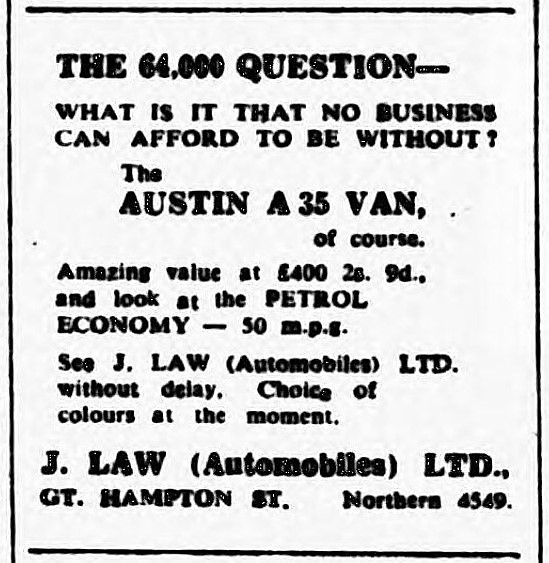
1956—a crucial question or issue—from The 64,000 Question, the name of a TV quiz show adapted from U.S. TV programme The $64,000 Question
Read More
a view on the manner in which catchphrases created by comedians and advertising gain currency
Read Moreisolated use in The Fancies, Chast and Noble (1638), by John Ford—1795 as ‘to ride bodkin’—seems to allude to the thinness of the tools that have that name
Read More1892, as ‘mazed as a brish’ (Devon)—meaning: extremely stupid—possible origin: anything is daft that does all the hard work
Read MoreUSA, 1931—presented as being of French origin, but French earliest known uses, in 1933, are from American English
Read More
1969—a weak, cowardly or oversensitive man—analogy between a cowardly man “in a flap” and an oversize garment hanging loose, fluttering
Read MoreUSA, 1893—a negligible likelihood—might refer to the fact that the Chinese had little prospect of obtaining reparations for racial discrimination
Read More
