‘Torygraph’, and other newspaper nicknames
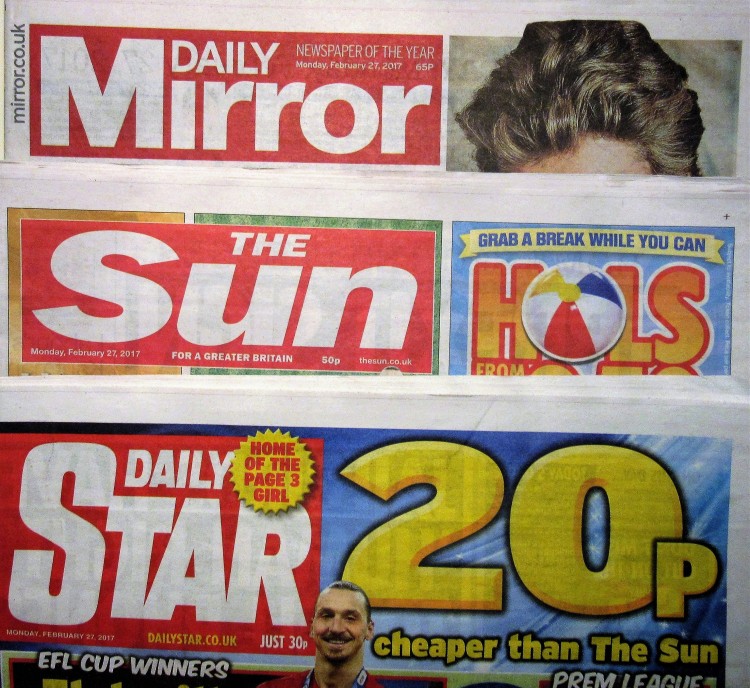
‘The Daily Telegraph’: nicknamed ‘Torygraph’ for its adherence to Conservative Party—the ‘Daily Mail’: nicknamed ‘Daily Heil’ for its support for Fascists in the 1930s
Read More
“ad fontes!”
‘The Daily Telegraph’: nicknamed ‘Torygraph’ for its adherence to Conservative Party—the ‘Daily Mail’: nicknamed ‘Daily Heil’ for its support for Fascists in the 1930s
Read More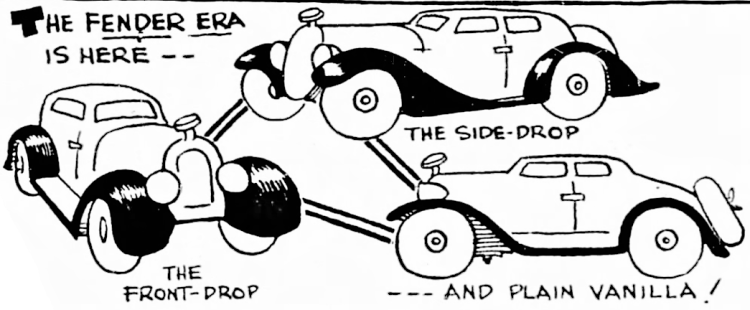
from the popular perception of vanilla as the ordinary, bland flavour of ice-cream—USA—‘plain vanilla’ 1934—‘vanilla sex’ 1960
Read Moremeans that, in a specific situation, a person will be blamed or considered wrong no matter what he or she does—USA, 1817—originally used in Christian contexts
Read More
a statement of praise or admiration—Australia, 1903—also used, in particular, by Irish author Brendan Behan (1923-1964)
Read More
a retort to ‘what’s on at the pictures?’—USA, 1924—with pun on ‘to mix cement’, refers to U.S. film actor Tom Mix
Read MoreUK, 1808—elaboration on ‘accidents will happen’, meaning accidents will happen despite efforts taken to prevent them
Read More
a comma immediately preceding the conjunction in a list of items—1978—named after the preferred use of such a comma in the house style of Oxford University Press
Read More
UK, 1851—a disappointing end to an otherwise exciting display—refers to the cleaning-up, especially of horse-dung, necessary after the Lord Mayor’s Show, in London
Read Morein a sad state, or, merely, dishevelled—USA, 1897—refers to The Wreck of the Hesperus (1840), by the U.S. poet Henry Wadsworth Longfellow
Read More
USA, 1934—addressed, often with ironic pity, to someone who has had an arduous day—from very popular 1934 song, ‘Little Man, You’ve Had a Busy Day’
Read More
