state of South Australia, 1952—a traffic warden—from the fact that South Australian traffic wardens licked the adhesive parking tickets in order to stick them to the windscreens—hence also the verb ‘sticker-lick’
UK, 1835—said to a person that the speaker does not wish to see again—refers to Bath, a spa in south-western England, where one goes to take the waters
USA, 1868—coined by U.S. critic Richard Grant White (1822-1885) to denote a word or expression whose original acceptation (preserved in U.S. English) was changed to one that he regarded as debased
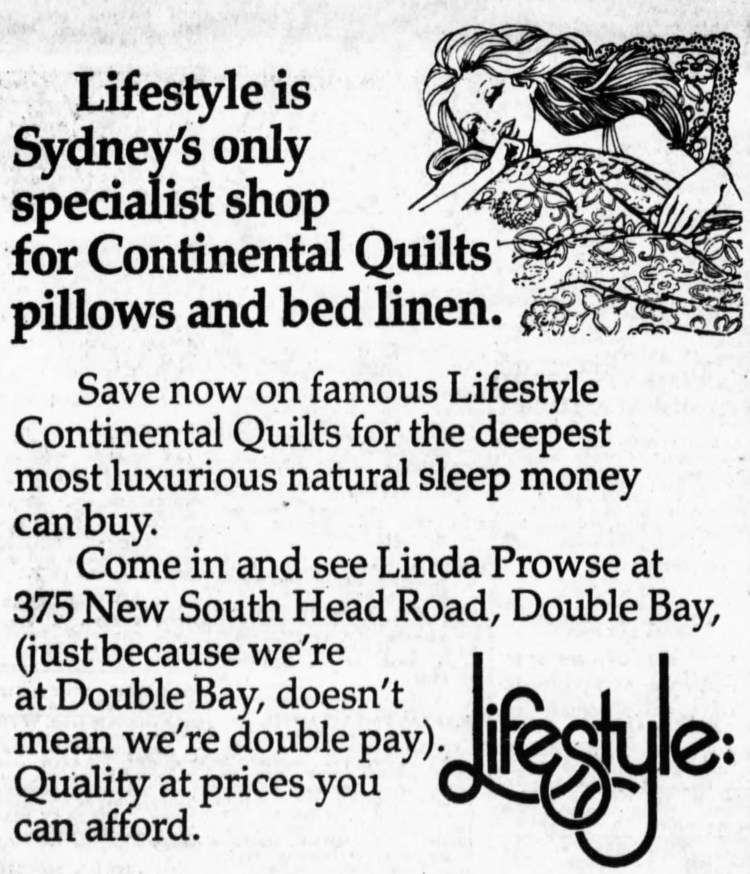
1966—With punning allusion to the high cost of living in that affluent harbourside suburb of Sydney, New South Wales, Double Bay is colloquially referred to as ‘Double Pay’.
UK, 1788—very drunk—may refer to Chloe, a woman with whom the English poet Matthew Prior (1664-1721) allegedly drank, and whom he often mentioned in his poems
USA, 1937, as a wrestling term—an act of placing both hands on a person’s wrist or arm and then twisting it to produce a burning sensation—alludes to the fiendish methods of torture attributed to the ‘(Red) Indians’
UK, 1956, children’s slang—an act of placing both hands on a person’s wrist or arm and then twisting it to produce a burning sensation—alludes to the fiendish methods of torture attributed to the Chinese
Australia, 1952—to travel a long distance—refers to the Burke and Wills expedition of 1860-61, which aimed to cross Australia from Melbourne, in the south, to the Gulf of Carpentaria, in the north
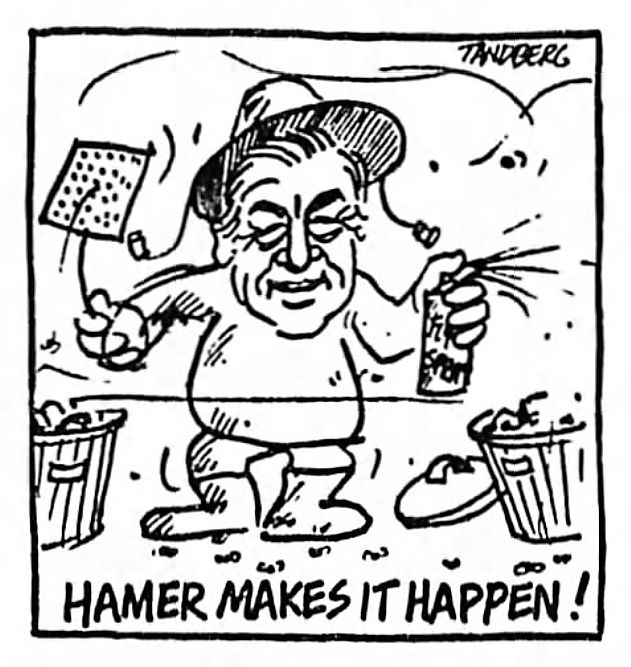
the movement of the hand in brushing away flies—first recorded in 1967 in a speech by Fred Chaney, Member of the Australian House of Representatives—variants: ‘the Queensland salute’; ‘the Barcoo salute’
denotes effrontery—‘front’ denotes self-assurance, but the word that follows ‘than’ puns on ‘front’ in the sense of the façade of a building, a long seafront, etc.—also denotes a well-endowed woman, with reference to ‘front’ in the sense of a woman’s bust