‘couldn’t knock the skin off a rice pudding’: meaning and origin
1910—used of a weakling, or of someone or something that is ineffectual—may have originated in Yorkshire, a county of northern England
Read More
“ad fontes!”
1910—used of a weakling, or of someone or something that is ineffectual—may have originated in Yorkshire, a county of northern England
Read MoreUK, 1954—used of a weakling or of an ineffectual person—‘Echo’ refers to the Liverpool Echo, a newspaper published in Liverpool, England—but perhaps refers, on one occasion, to the South Wales Echo, published in Cardiff, Wales
Read MoreUK, 1929—‘glad and sorry’ denotes hire purchase, i.e., a system by which one pays for a thing in regular instalments while having the use of it—the image is that the hire-purchaser is at the same time glad to have the use of the merchandise and sorry to still have to pay for it
Read Moreused attributively of something that may not have an end for years, if ever—especially used of a loan that the borrower refuses to pay back, and of hire purchase—refers to the line “It may be for years, and it may be for ever” in the song ‘Kathleen Mavourneen’ (1835)
Read Moreliteral meaning (1551): halfway across the sea—figurative meanings (1692): halfway towards a goal or destination, half through with a matter, halfway between one state and another—also (1699): half drunk
Read More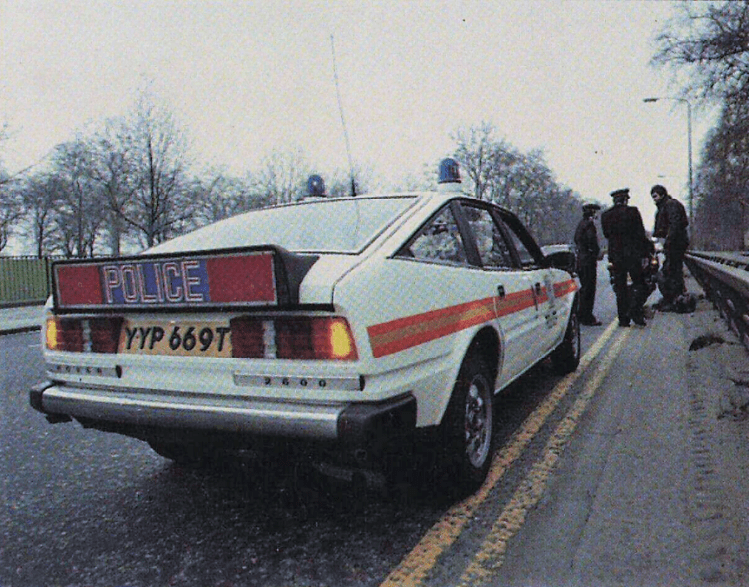
UK, 1971—‘jam butty’ (also ‘jam sandwich’): a colloquial appellation for a police patrol car having a red stripe painted on a white background
Read More1992—the culture shock experienced by an individual (typically a Japanese) who, when visiting, or living in, Paris, realises that this city does not fulfil their idealised expectations—apparently a loan translation from Japanese ‘Pari shōkōgun’, coined by Japanese psychiatrist Hiroaki Ōta
Read More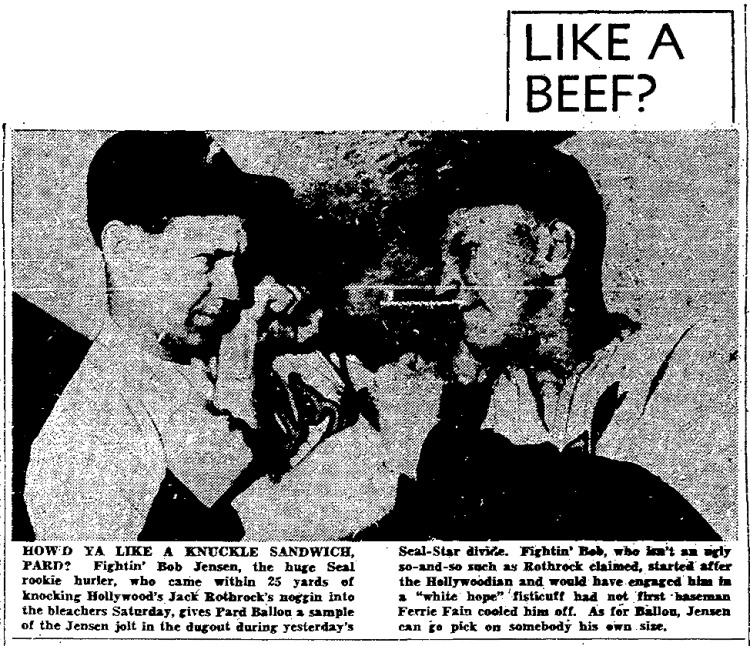
‘knuckle-sandwich’ USA, 1940—‘knuckle-butty’ UK, 1972—a punch to the mouth (or to the stomach)—the image is of a sandwich of knuckles being forced into the mouth (or into the stomach) of the person who is punched
Read MoreUK, 1870—a very hard ship’s biscuit—refers to the fact that these sea-biscuits were particularly carried by Liverpool merchant ships; likens the shape and hardness of these sea-biscuits to those of pantiles, i.e. roofing tiles curved to an ogee shape
Read Morea dentist—World War Two—slang of the British armed forces—was soon adopted into (and came to be regarded as) Australian English—earlier synonyms: ‘fang-faker’ and ‘fang-wrencher’
Read More word histories