meaning and origin of the noun ‘moonraker’
moonraker: a native of Wiltshire; from the tale that some of them mistook the reflection of the moon in a pond for a cheese and tried to rake it out.
Read More
“ad fontes!”
moonraker: a native of Wiltshire; from the tale that some of them mistook the reflection of the moon in a pond for a cheese and tried to rake it out.
Read More‘The straight and narrow’: allusion to the Sermon on the Mount. ‘Straight’ is an alteration of ‘strait’, meaning ‘so narrow as to make transit difficult’.
Read More‘Once in a blue moon’ is a development from ‘once in a moon’, meaning ‘once a month’, hence ‘occasionally’—‘blue’ is merely a meaningless fanciful intensive.
Read More
coined by Charles Dickens in Nicholas Nickleby (1839) in a comic passage in which an insane speaker makes a series of nonsensical statements
Read More‘to play possum’: American English, early 19th century—pretend to be dead, asleep, etc.—allusion to the opossum’s habit of feigning death when threatened
Read More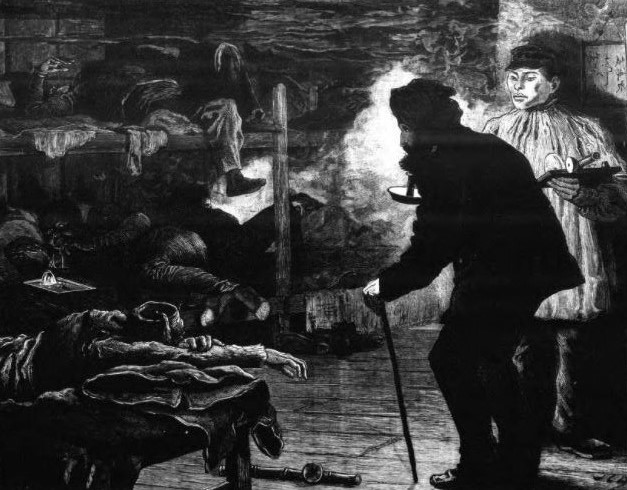
pipe dream: American English, late 19th century—originally with reference to the kind of visions experienced when smoking an opium pipe
Read MoreThis phrase is a transformation of ‘one’s head full of bees’, meaning scatter-brained, unable to think straight, as if bees are buzzing around in one’s head.
Read More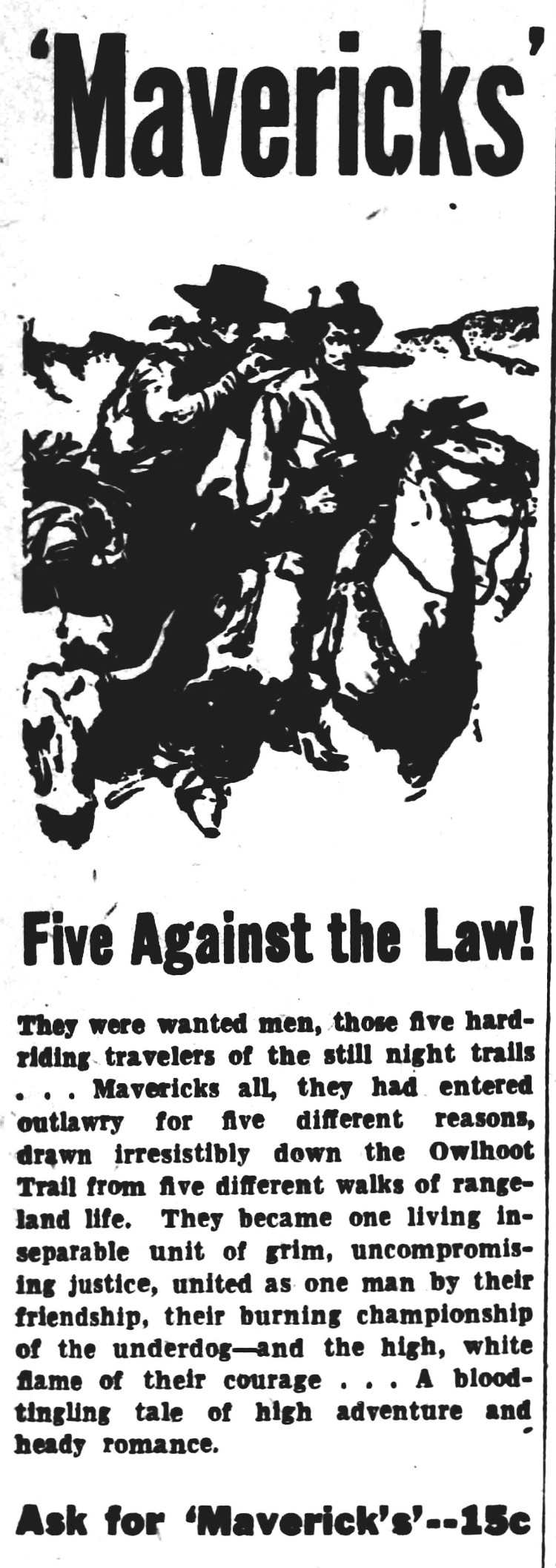
Coined after ‘cock-crow’, ‘owl-hoot’ means ‘dusk’. It denotes ‘an outlaw’ in Wild West fiction, hence, generally, ‘a worthless or contemptible person’.
Read More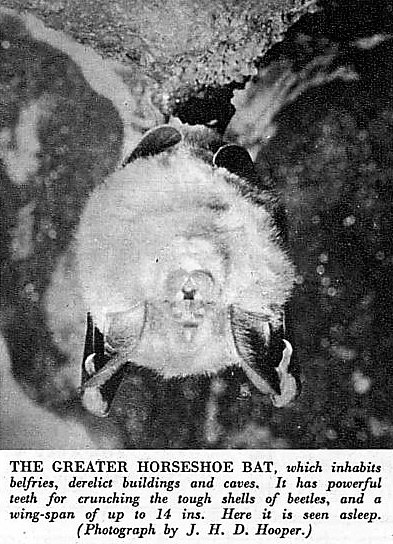
Of American-English origin, ‘to have bats in one’s belfry’ is from the image of bats flying around when disturbed, like confused thoughts in a disordered mind.
Read MoreThe word ‘slave’ is from Medieval Latin ‘Sclavus’, ‘Slav’, because the Slavic peoples were frequently reduced to a servile condition by the Germanic conquest.
Read More word histories