‘(as) cunning as a Māori dog’: meaning and origin
very cunning—New Zealand, 1908—‘Māori dog’: a dog of Polynesian origin; also any mongrel dog associated with Māori settlements or living in a wild state
Read More
“ad fontes!”
very cunning—New Zealand, 1908—‘Māori dog’: a dog of Polynesian origin; also any mongrel dog associated with Māori settlements or living in a wild state
Read Morecharacterises a person who has an insatiable appetite for something—especially in ‘tiger for work’ (Australia, 1857) and ‘tiger for punishment’ (New Zealand, 1911)
Read MoreAustralia, 1978—used of a desirable state of political stability—alludes to a remark made by Malcolm Fraser, Leader of the Liberal Party, during the campaign for the 1975 Australian federal election
Read Moreexclamation of surprise, regret or disgust—New Zealand and Australia, early 20th century—one of several similar phrases, such as ‘starve the rats’, expressing those feelings
Read Morea brave Māori female warrior; by extension, any strong or brave woman—New Zealand—in Māori, 1873—in English, 1902—from ‘wahine’ (a Māori woman or wife) and ‘toa’ (a brave Māori male warrior)
Read Moredrunk—Australia, 1983—refers to Bourke Street, one of the main streets in the centre of Melbourne, Victoria—in Australian English, the adjective ‘full’ is used in various phrases referring to drunkenness
Read MoreAustralia, 1952—used of a state of confusion or stupidity—refers to Bourke Street, in Melbourne, Victoria
Read More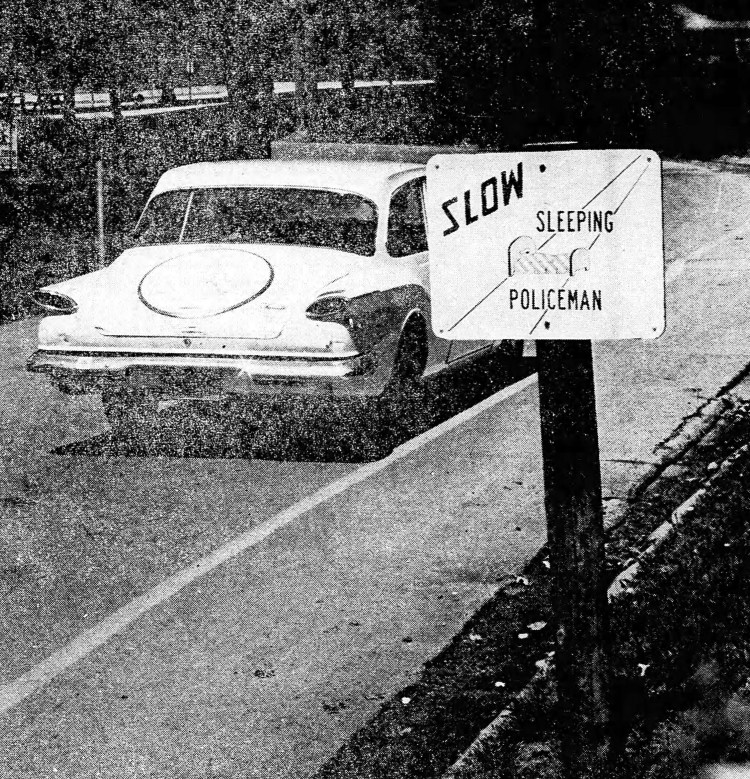
a raised band across a road, designed to make motorists reduce their speed—1961—based on the image of a policeman lying asleep in the middle of a road—in early use often with reference to Jamaica
Read Morea film which fails to achieve the commercial success that was expected—UK, 1986—from ‘flop’ (a failure) and ‘-buster’ in ‘blockbuster’ (a film which achieves great commercial success)
Read Morea remote and sparsely populated inland area of Australia—1896, in a poem by William Henry Ogilvie—refers to Bourke, the most remote town in north-western New South Wales
Read More
