‘a trout in the milk’: meaning and origin
highly convincing circumstantial evidence—USA, 1862—ascribed to Henry David Thoreau—refers to the practice of surreptitiously diluting milk with stream-water
Read More
“ad fontes!”
highly convincing circumstantial evidence—USA, 1862—ascribed to Henry David Thoreau—refers to the practice of surreptitiously diluting milk with stream-water
Read MoreUSA, 1930—a rhetorical question calling attention to a non-sequitur or irrelevant statement or suggestion made by another person—one of the phrases built on the pattern ‘what has that got to do with the price of ——?’
Read MoreUSA, 1969—the phrases ‘off the radar’, ‘under the radar’ and ‘below the radar’ are used of something or someone that cannot be detected—the reference is to an aircraft flying too low to be detected by a radar
Read MoreUK, 1813, as ‘to blot the landscape’, meaning, of an ugly feature, to spoil the appearance of a place—also used figuratively of anything unsightly or unappealing that spoils an otherwise pleasant scene
Read MoreUK, 1879, as ‘a blot on one’s copybook’: a fault, misdemeanour or gaffe which blemishes one’s reputation—‘copybook’: an exercise book with samples of scripts, in which children practised their writing
Read MoreUSA, 1832—a rhetorical question calling attention to a non-sequitur or irrelevant statement or suggestion made by another person—the noun following ‘the price of’ is irrelevant to the context in which it is used
Read MoreIreland, 1891—used in negative contexts to denote rejection, especially in ‘not for all the tea in China’, meaning ‘not in any circumstances’—refers to China as a major producer of tea, and to tea as a commodity of great value
Read MoreUK—1824: a slaughterhouse where old or injured horses are slaughtered and their bodies processed—1832: a notional place where ends up someone or something that is no longer useful or successful
Read More1894—in Australian English, the noun ‘bandicoot’, which designates an insectivorous marsupial native to Australia, has been used in numerous similes denoting deprivation or desolation
Read More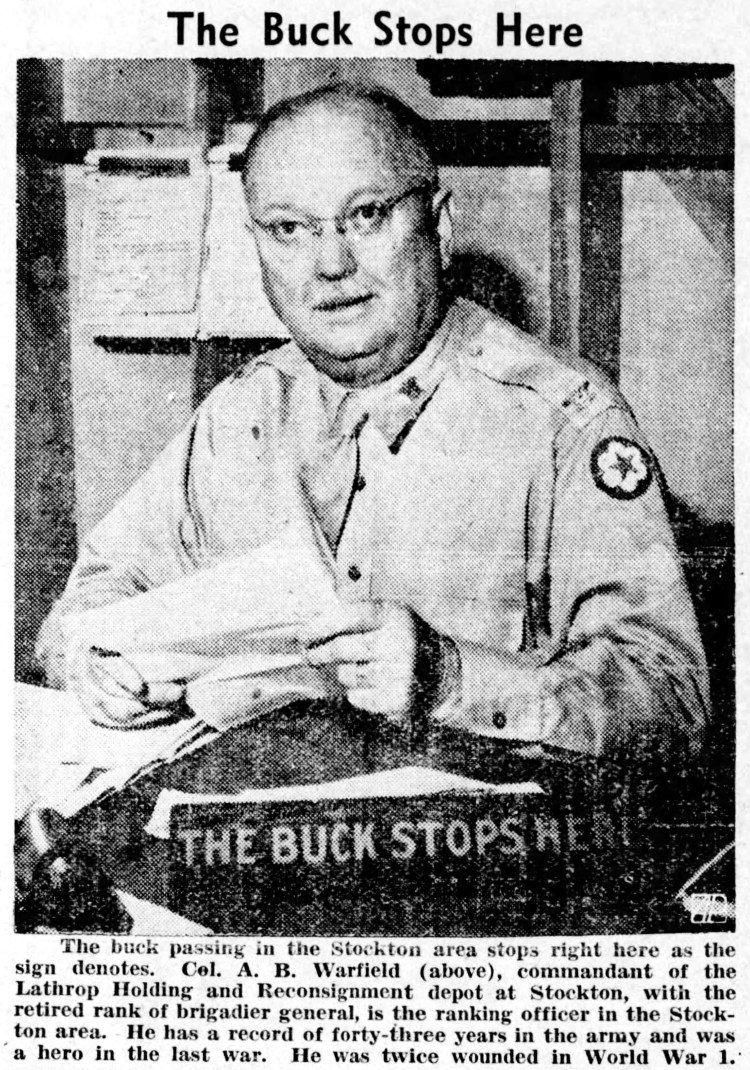
USA, 1929—the final responsibility lies with a particular person—from ‘to pass the buck’—‘buck’: in the game of poker, any object in the jackpot to remind the winner of some obligation when his or her turn comes to deal
Read More word histories