USA, 1954: a person who talks excessively—USA, 1964: a person who is addicted to talk radio—from ‘talk’ and the suffix ‘‑aholic’, forming nouns designating a person who is addicted to the thing, activity, etc., expressed by the first element
‘to spread [something or someone] like Marmite’ (1964)—‘like Marmite, a little goes a long way’ (1970)—Marmite is a savoury paste made from concentrated yeast and vegetable extract, used as a spread and for enriching soups and stews
1973—someone or something that polarises opinions by provoking either strongly positive or strongly negative reactions, rather than indifference—proprietary name for a savoury paste made from yeast and vegetable extract, which is either loved or hated
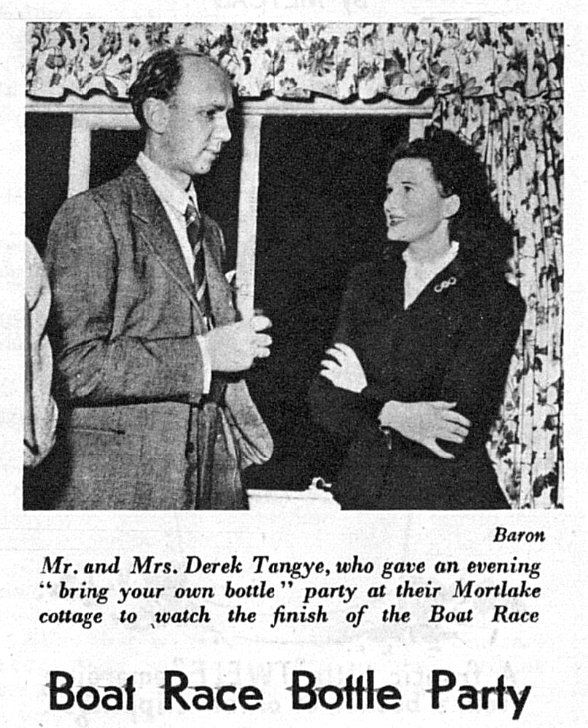
indicates that a place or event is one to which guests may or should bring their own alcoholic drink—UK, 1858—USA, 1910—in early U.S. use, often referred to the prohibition of alcohol
a party to which attendees are encouraged to bring their own drinks, especially alcohol—‘bring-your-own-bottle party’: USA, 1923, in the context of Prohibition—‘bring-a-bottle party’: UK, 1928
Australia, 1986—used as an assurance that all is fine, or to express one’s agreement or acquiescence—euphemistic alteration, with switching of the initial consonants, of ‘no fucking worries’
New York City, 1896—a lawyer who seeks accident victims as clients and encourages them to sue for damages—refers to lawyers, or their agents, following ambulances taking accident victims to hospital, in order to gain access to those victims
to hurry up (1849 in Charles Dickens’s David Copperfield); the image is of a skater gliding rapidly over an ice surface—also, in early use (USA, 1886): to get drunk; the rolling gait of a drunk person is likened to the swaying motion of an ice skater


 word histories