‘English as she is spoke’: meaning and origin

broken English—UK, 1883—from ‘English As She is Spoke: or A Jest in Sober Earnest’ (London: Field & Tuer, 1883), title given to a book intended as a Portuguese-English conversational guide
Read More
“ad fontes!”
broken English—UK, 1883—from ‘English As She is Spoke: or A Jest in Sober Earnest’ (London: Field & Tuer, 1883), title given to a book intended as a Portuguese-English conversational guide
Read More
retort to the accusation of being paranoid (i.e., of seeing imaginary enemies)—USA, 1966—often ascribed to U.S. poet Delmore Schwartz
Read Moremeaning: any possible thing, event, or situation is envisaged or found—UK, 1839—image of a scope ranging from the most innocuous to the most harmful
Read Morea person regarded as good-natured but also not ‘bright’ intellectually—UK, 1981—Australia, 1982—USA, 1986
Read More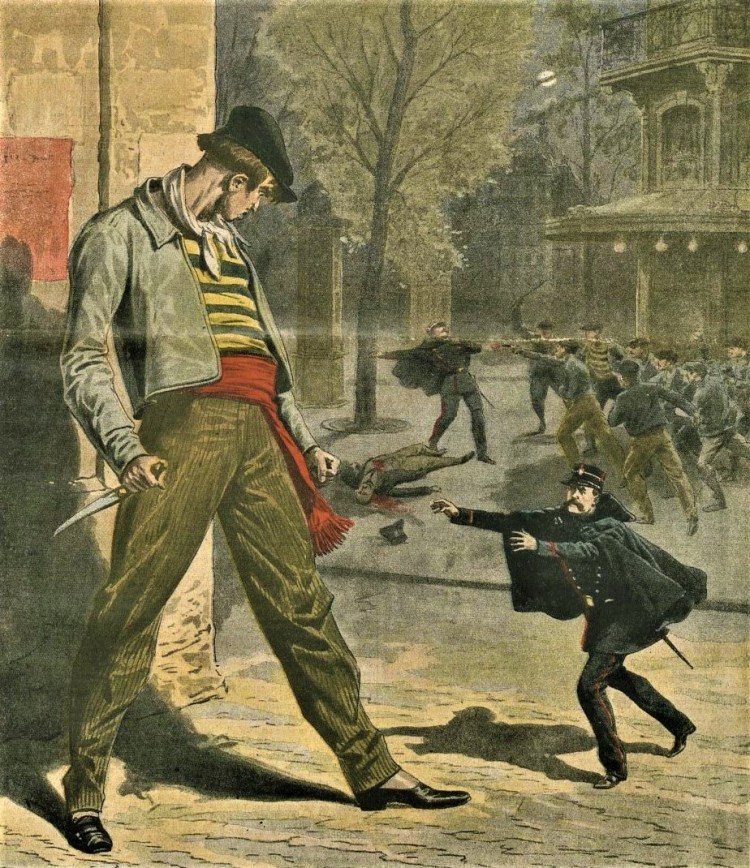
circa 1900: by association with the reputed ferocity of the North-American Indian people, ‘Apache’ came to designate a violent street ruffian in Paris
Read More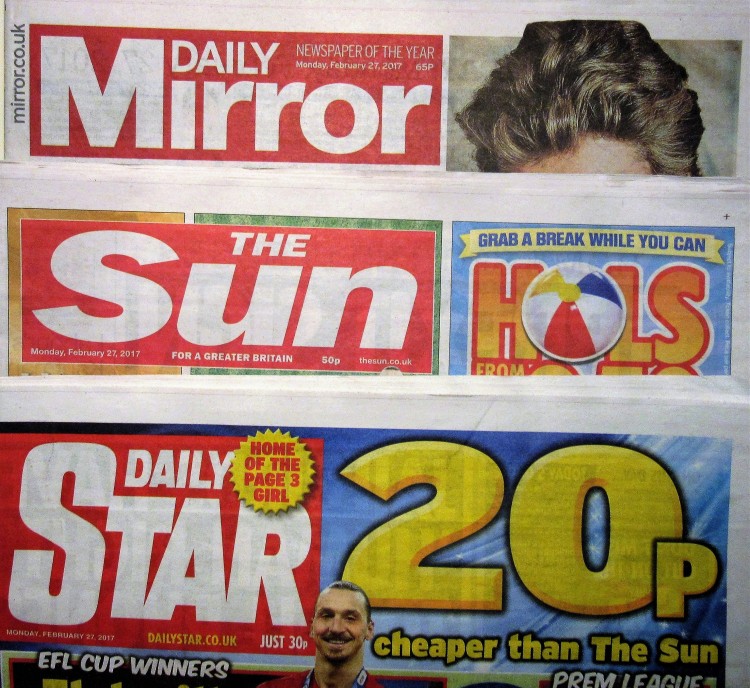
‘The Daily Telegraph’: nicknamed ‘Torygraph’ for its adherence to Conservative Party—the ‘Daily Mail’: nicknamed ‘Daily Heil’ for its support for Fascists in the 1930s
Read More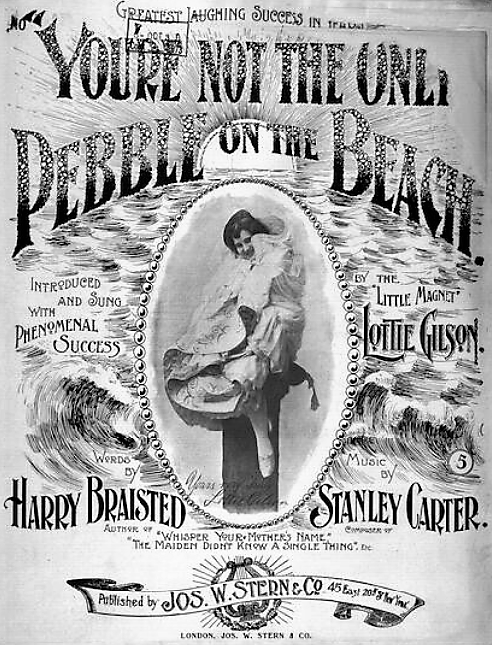
the only person or thing to be considered in a particular situation—USA, 1895—popularised by 1896 song ‘You’re Not the Only Pebble on the Beach’
Read More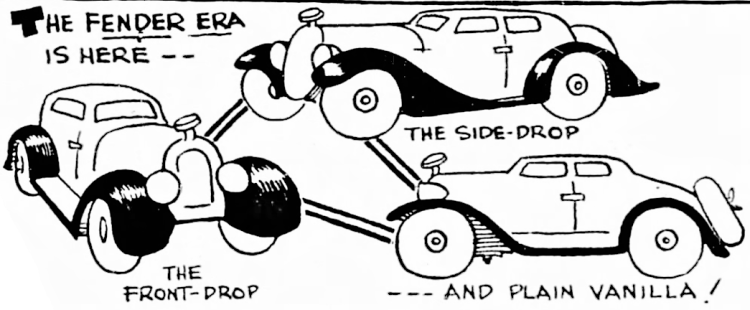
from the popular perception of vanilla as the ordinary, bland flavour of ice-cream—USA—‘plain vanilla’ 1934—‘vanilla sex’ 1960
Read Moremeans that, in a specific situation, a person will be blamed or considered wrong no matter what he or she does—USA, 1817—originally used in Christian contexts
Read More
a statement of praise or admiration—Australia, 1903—also used, in particular, by Irish author Brendan Behan (1923-1964)
Read More word histories